Ethnography and Archeology museum in Baku. Exotic Society.
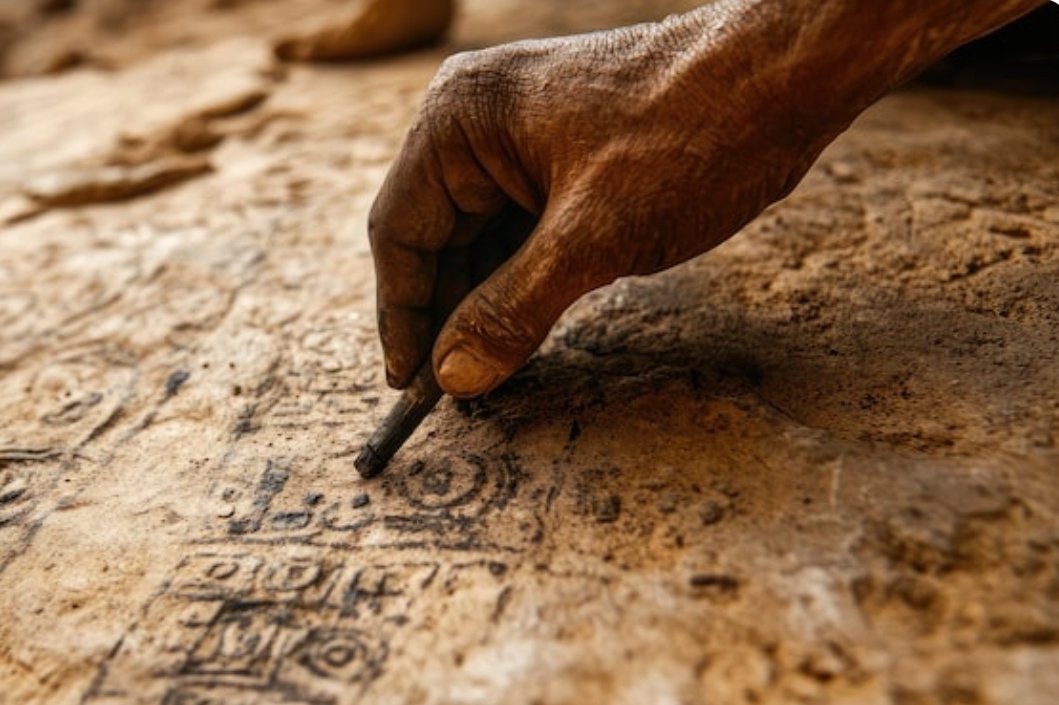
Ethnography
Ethnography is a research method involving long-term immersion, participant observation, and interviews to deeply understand cultural practices, social behaviors, and human experiences.
Beyond anthropology, ethnography is used in market research, urban planning, and development studies to understand consumer behavior or community needs.
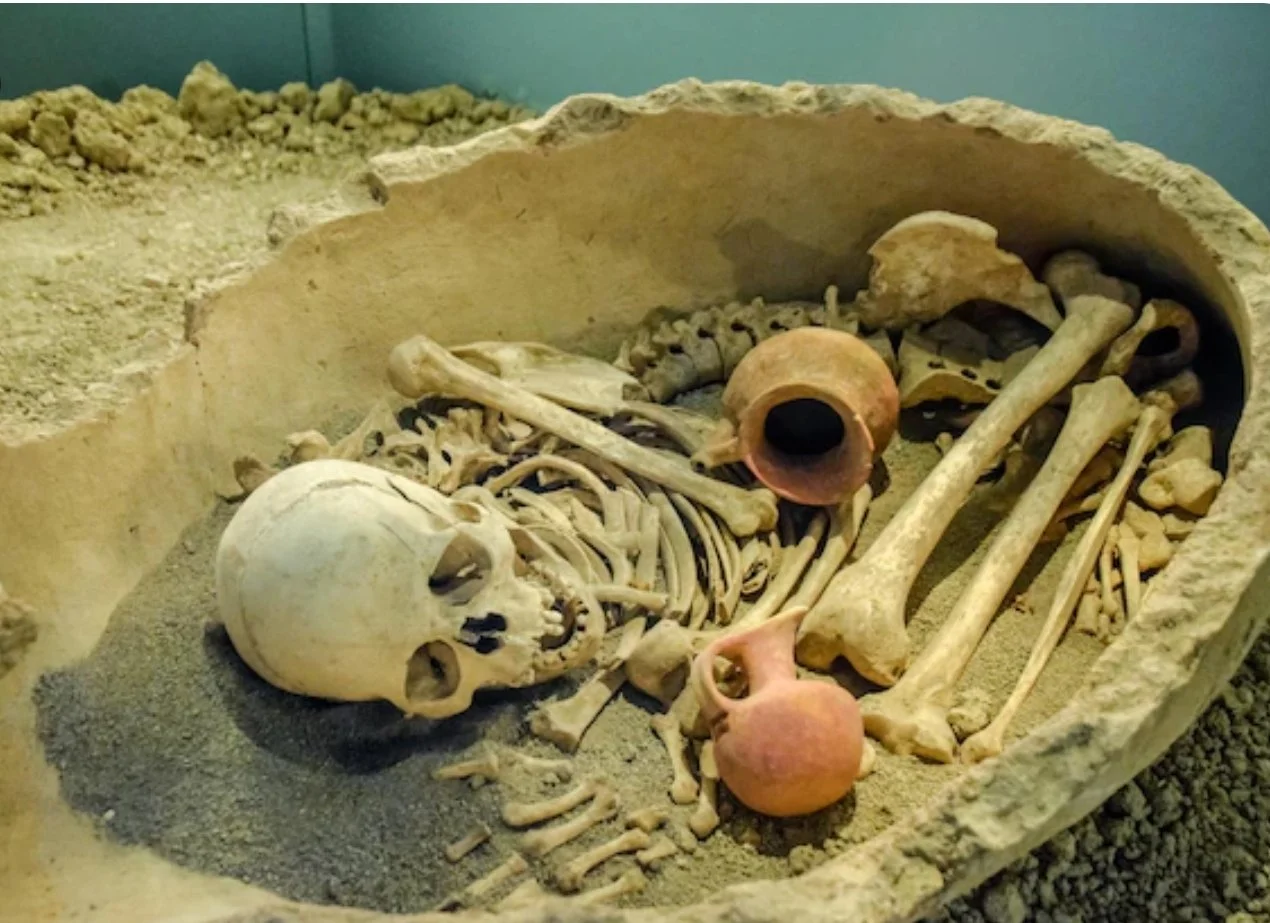
Remains
Over the closing decades of the 19th century, museums of a new kind were established not only in European capitals but also in Azerbaijan in 1935: Berlin’s formidable Museum für Völkerkunde in 1873, Paris’s Musée d’ethnographie in 1878, and nearly simultaneously in 1884, the Pitt Rivers in Oxford and the Museum of Archaeology and Anthropology in Cambridge.
But if the anthropological museum was an innovation of that period, collections of artefacts from around the world were not.
Sometimes together with, and sometimes separated from, the arts of Asian, pre-Columbian and ancient ‘civilisations’, holdings of African, Oceanic and native American art, artefacts were dramatically enlarged in the late 19th and early 20th centuries, as the collections of travellers, missionaries and colonial officials were brought together.
As we can read from :"Ethnography can be applied to real world problems in diverse ways, but it is often the job of other people (not necessarily the ethnographer) to decide how and where to act on what it teaches us about different situations, groups, or phenomena."
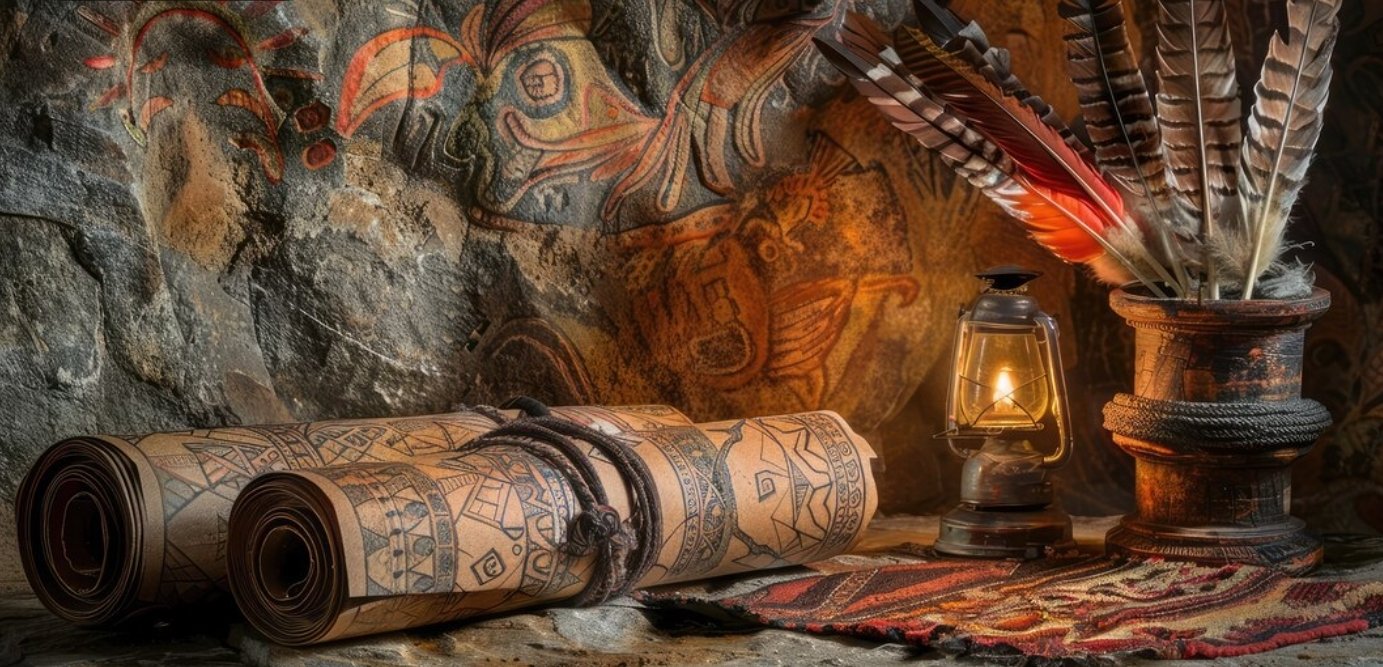
Exploration
‘There is no city without a fortress`, an old proverb says. Icheri Sheher (Inner City) is a most famous landmark of Baku.
An ethnography museum, or anthropological museum, is a specialized institution that collects, preserves, and displays artifacts, costumes, tools and cultural items to showcase the daily lives and traditions of different cultures. These museums serve as stewards of cultural heritage, focusing on indigenous communities or specific regions.
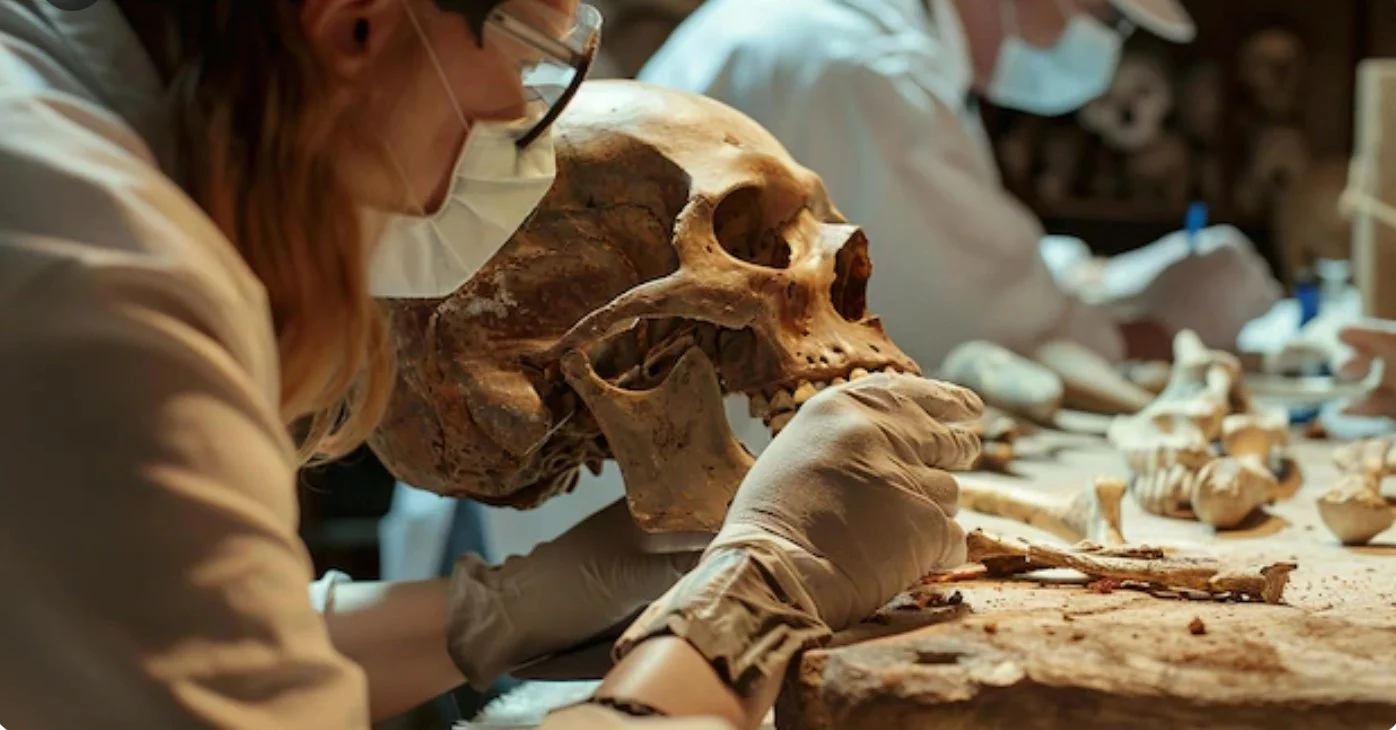
Museum of Archaeology and Ethnography in Baku, Azerbaijan has exhibits on the lifestyle, crafts, and history of Azerbaijani people. The late bronze and Early Iron Age are represented by several important archaeological remains. Among them, the Necropolis along the Tovuzchay (Tovuz District) should especially be mentioned. Also, you are welcome to discover PaleoAnthropological Remains.
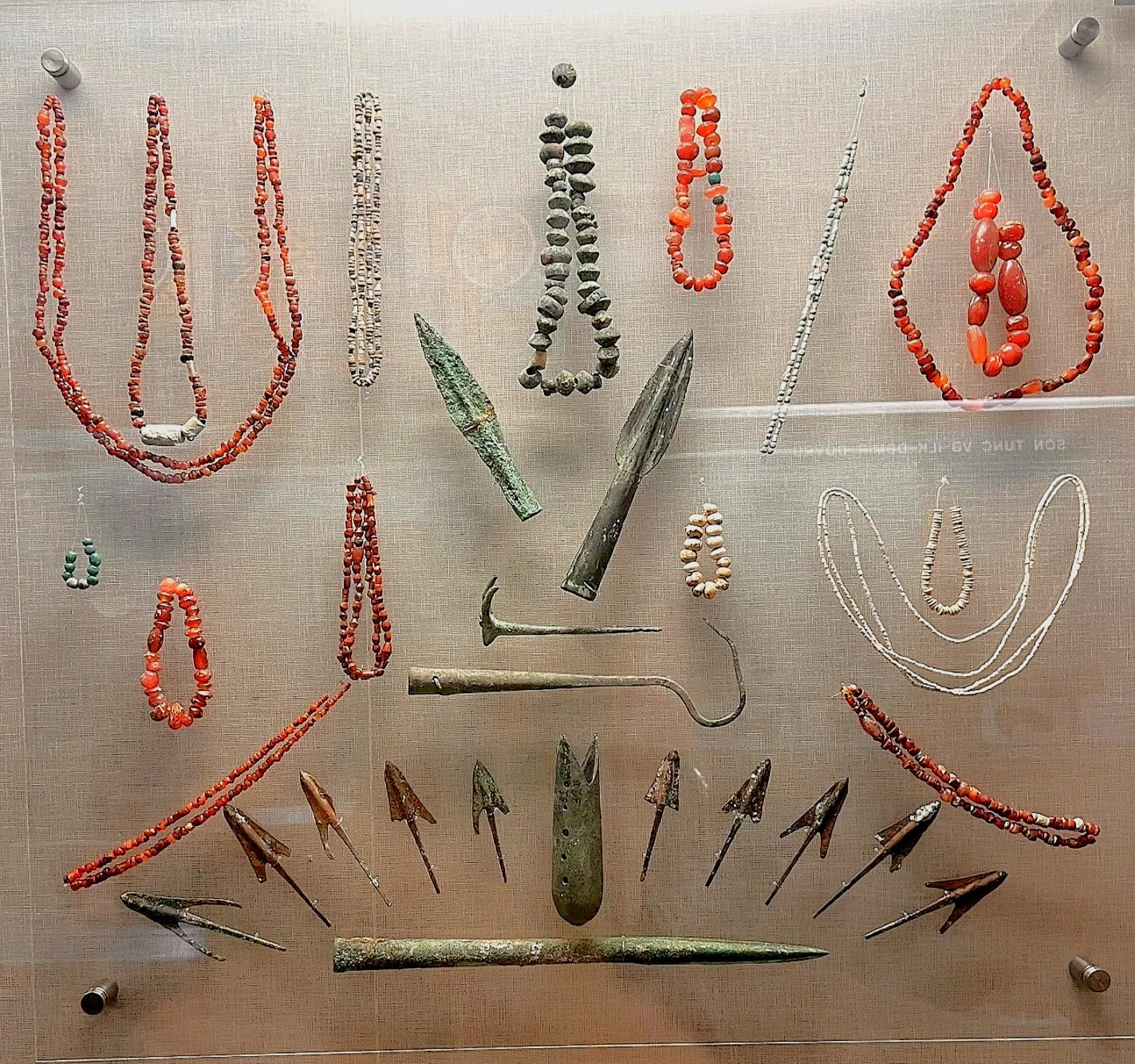
Remains, Ethnography museum, Baku, Old Town, Azerbaijan
In the museum exhibits belonging to material-cultural samples found from different territories of the region, at the same time, in the result of archaeological excavations done in Azerbaijan in the boroughs (ancient archaeological area) like Oghlangala, Ovchulartepesi (Diza Village, Sharur), Meydantepe (Nakhchivan), KharabaGilan (Ordubad), Sadarak (South Azerbaijan) and Kultepe collected. In the Archaeology section exhibits are belonging to the Neolithic, Calcolithical, Bronze, Iron, Antique or Middle Ages. The clothes and tools in the Ethnography section, but in the section of “presents to the museum” medals dedicated to the 90th anniversary of this country.
Anthropology, Azerbaijan


