Hiking in Azerbaijan
Enhanced mood, feeling of happiness, burn the calories!
Chiraggala Hiking Trail:
Distance: ~2.6 km
Start altitude: 630m
Max altitude: 1015m
Ascend: 484
Difficulty: 2/5 (easy-average)
You May Also Like To Book The Hiking Tour: Click Here
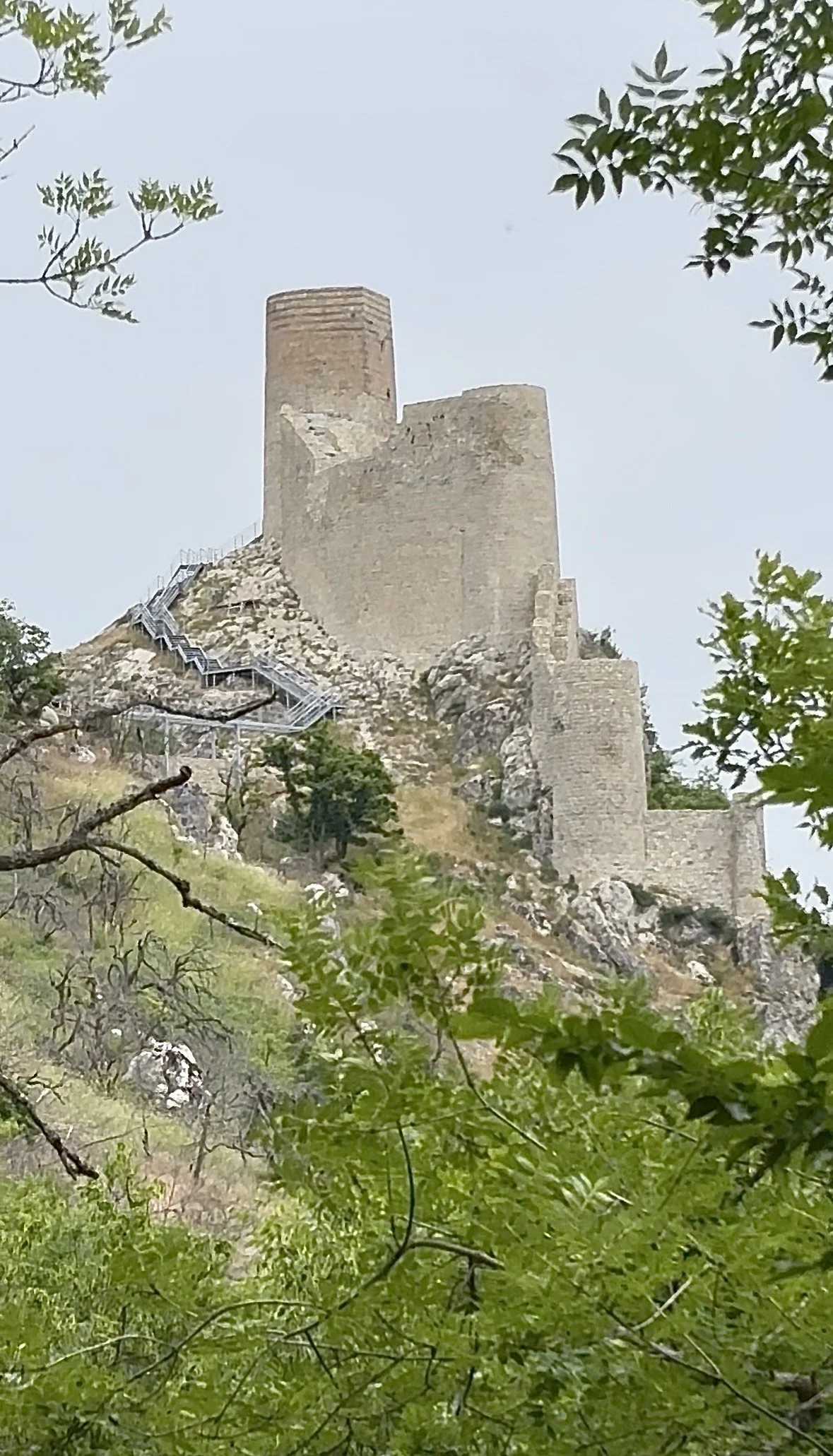
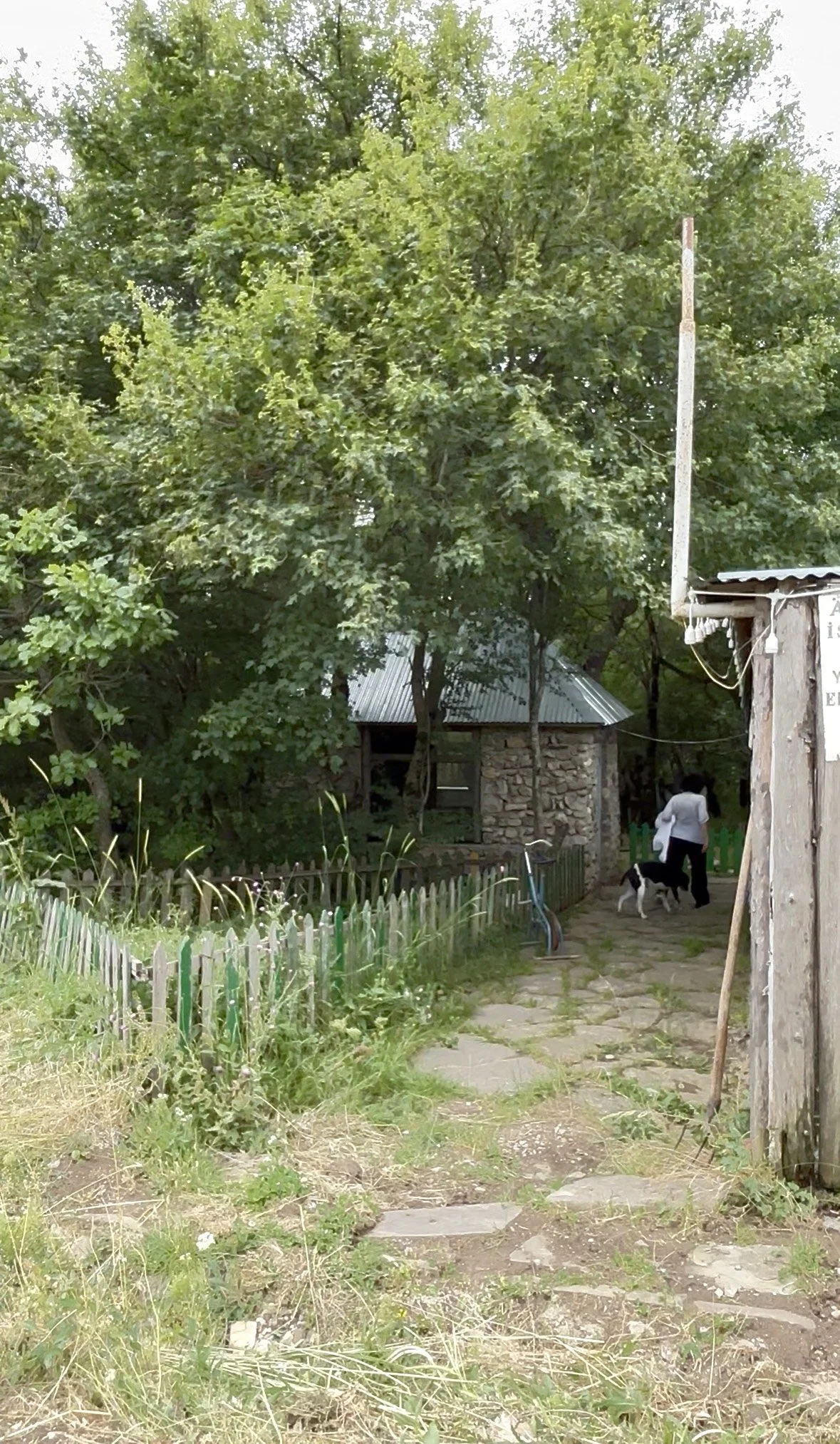
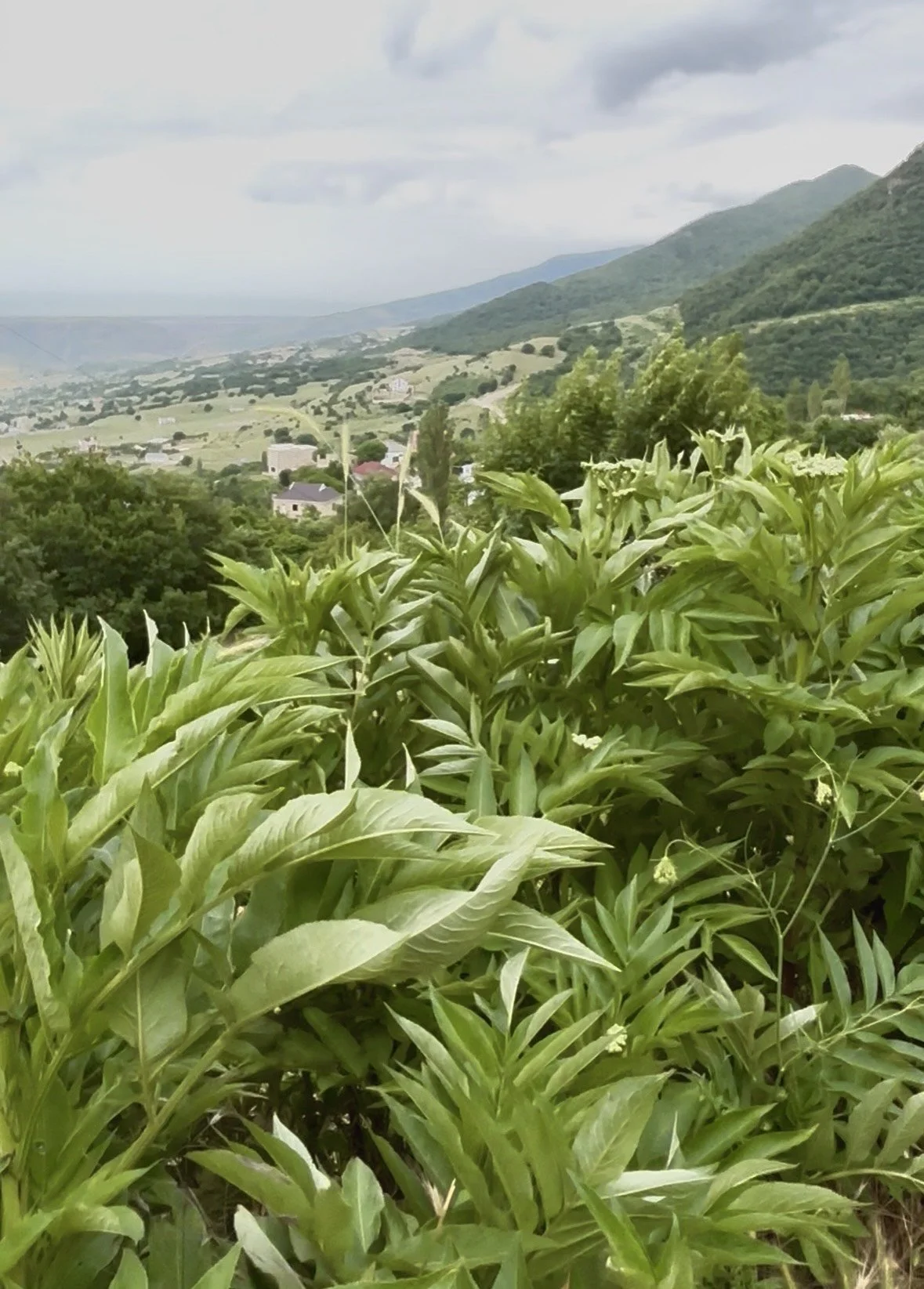
The village of Galaalti is 43 km from the Shabran district center and is 640 meters above sea level. The name means ‘the village under the castle’. The residence is named because of building on the bottom of the Chiragqala fortress belonging to IV-VI century AD. Near the village treatment of important mineral water comes out.
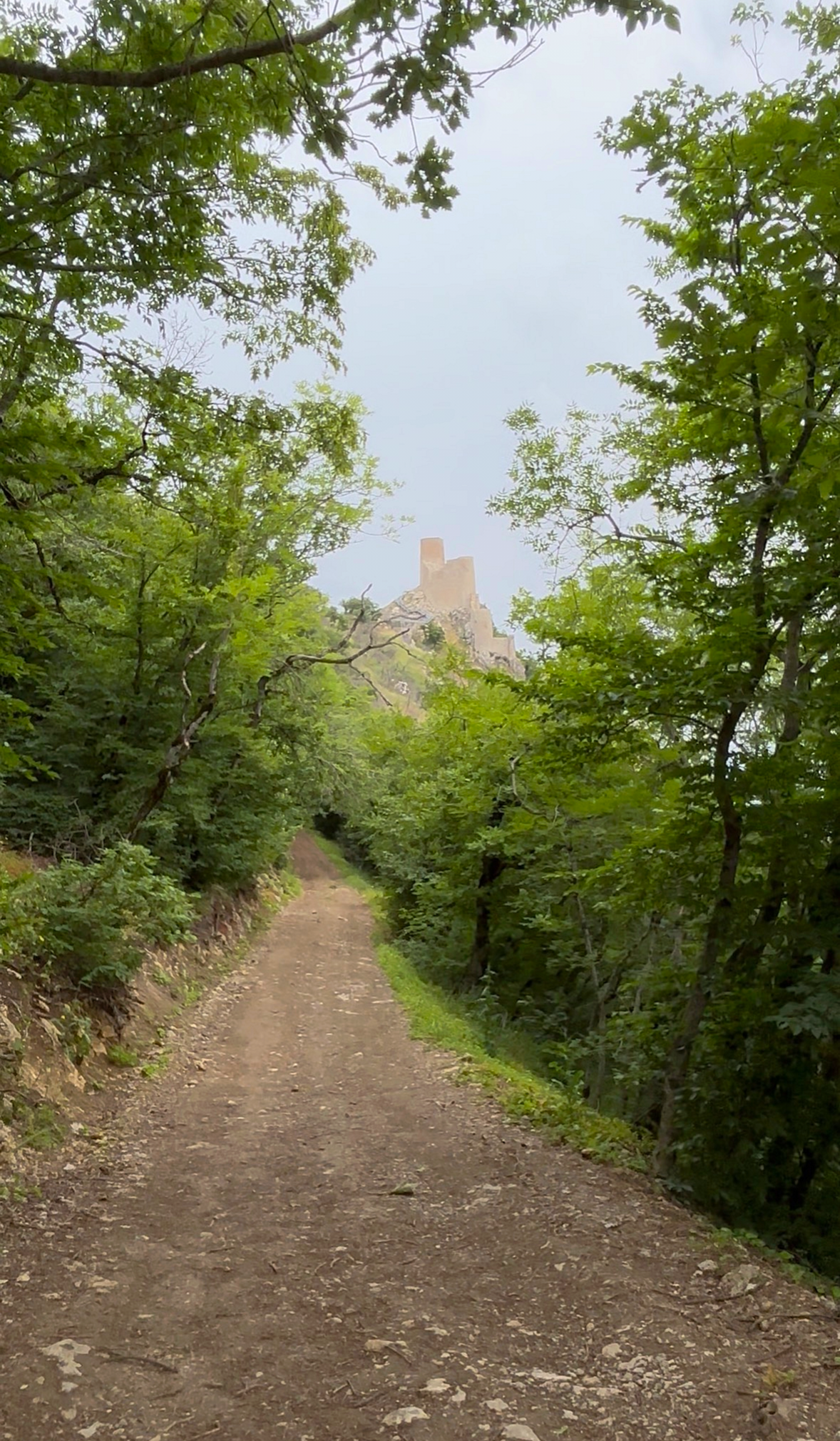
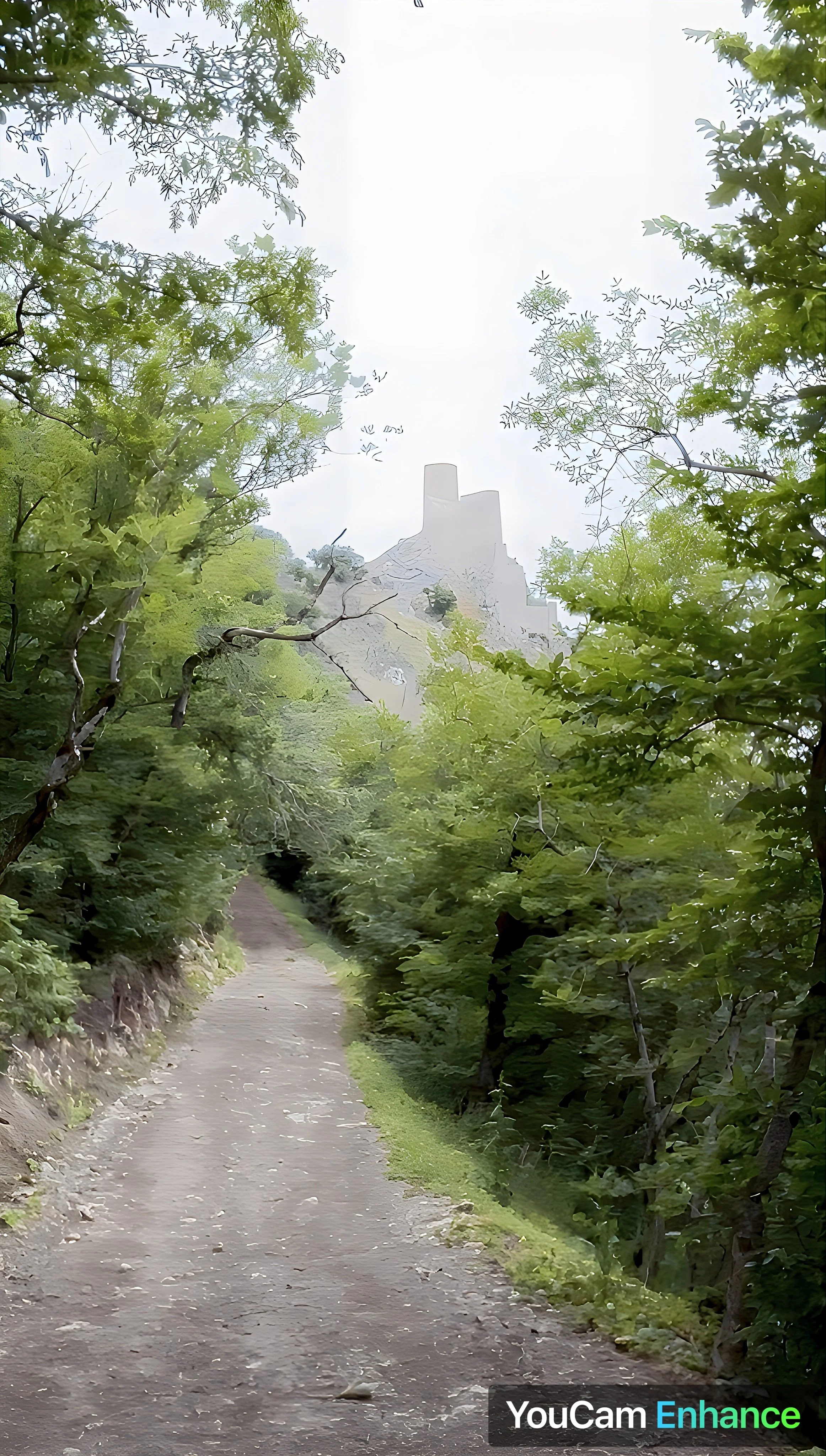
Chirag Gala is an ancient castle that was built back in 4-5th centuries. It was part of the Gilgilchay long defense wall. We will start our hike in the village of Galaalti.
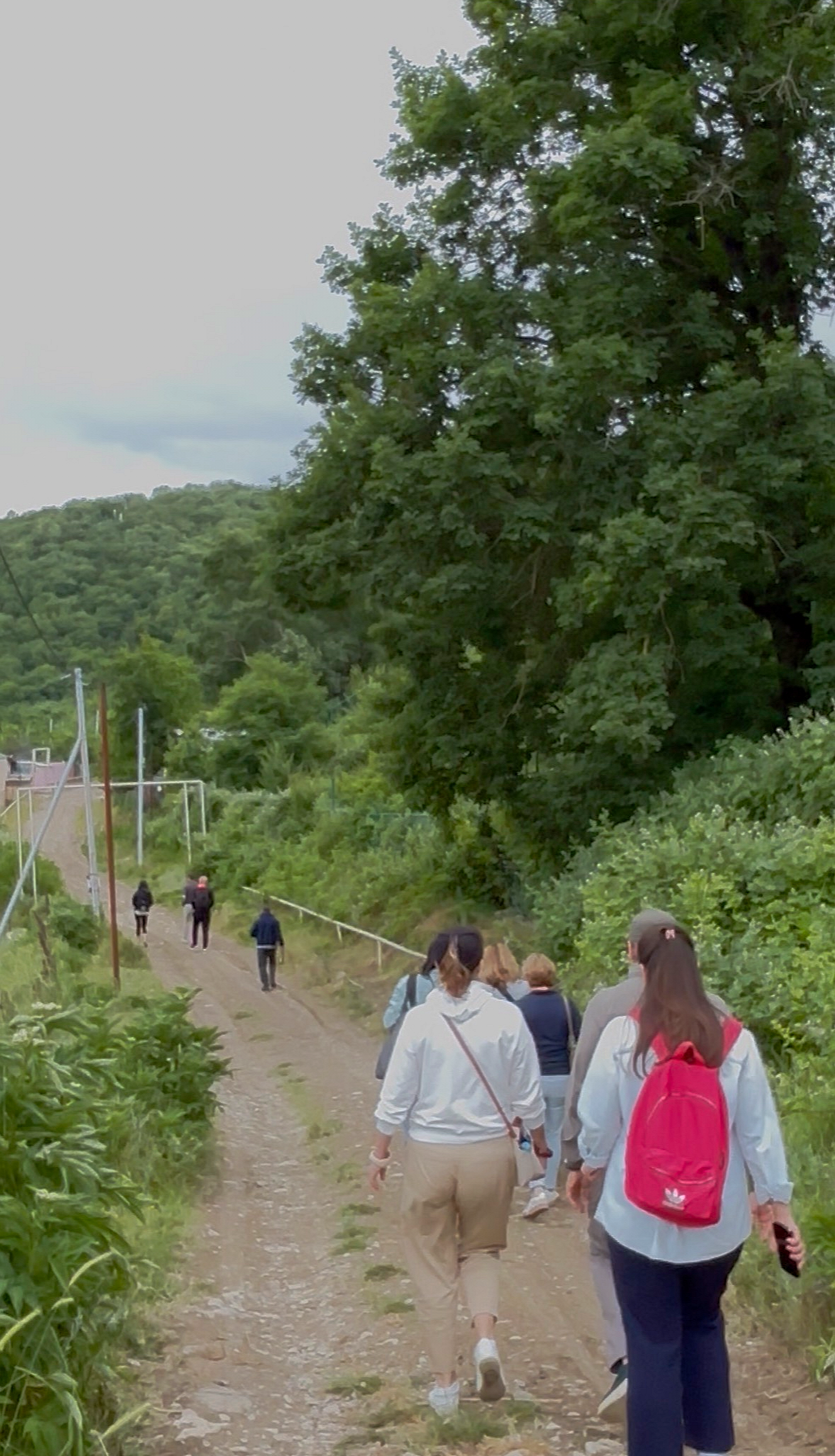
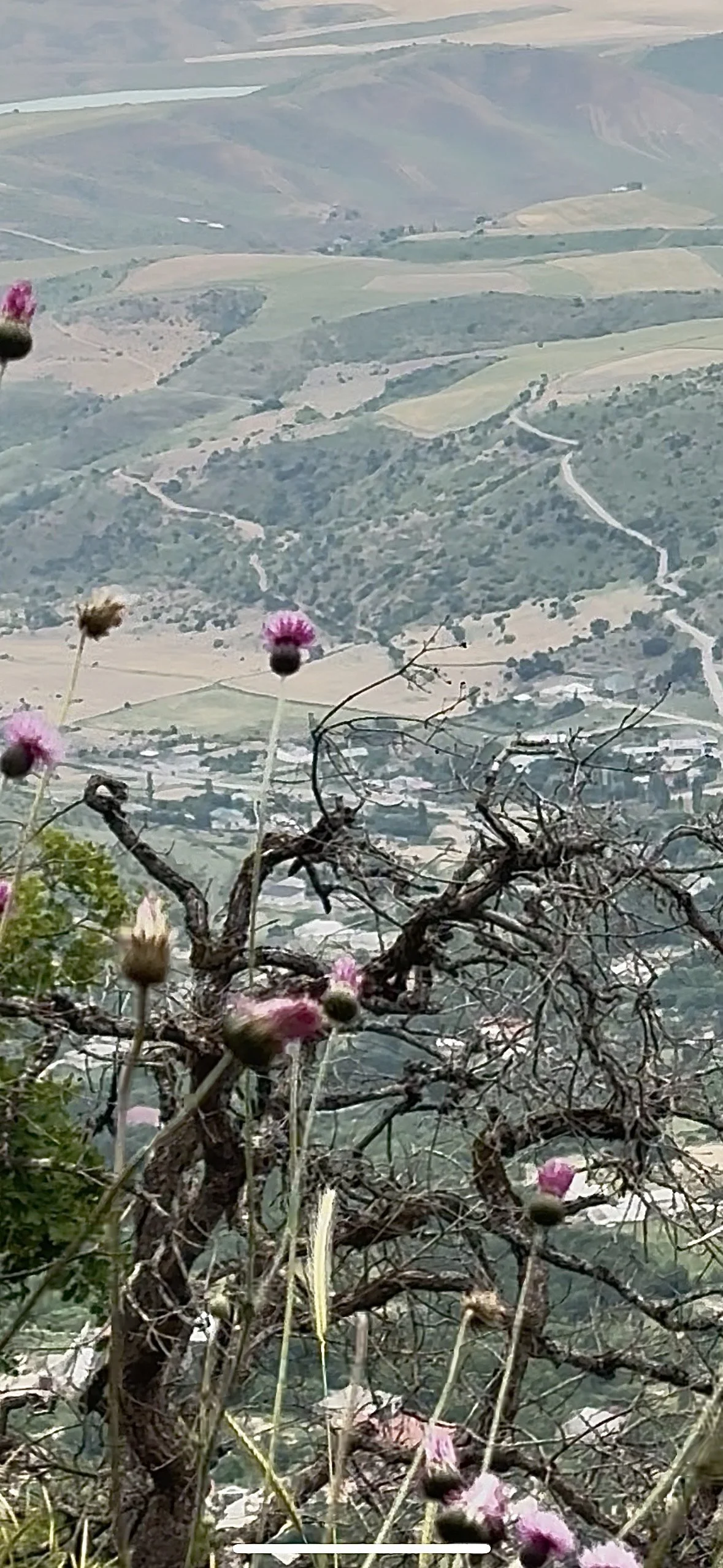
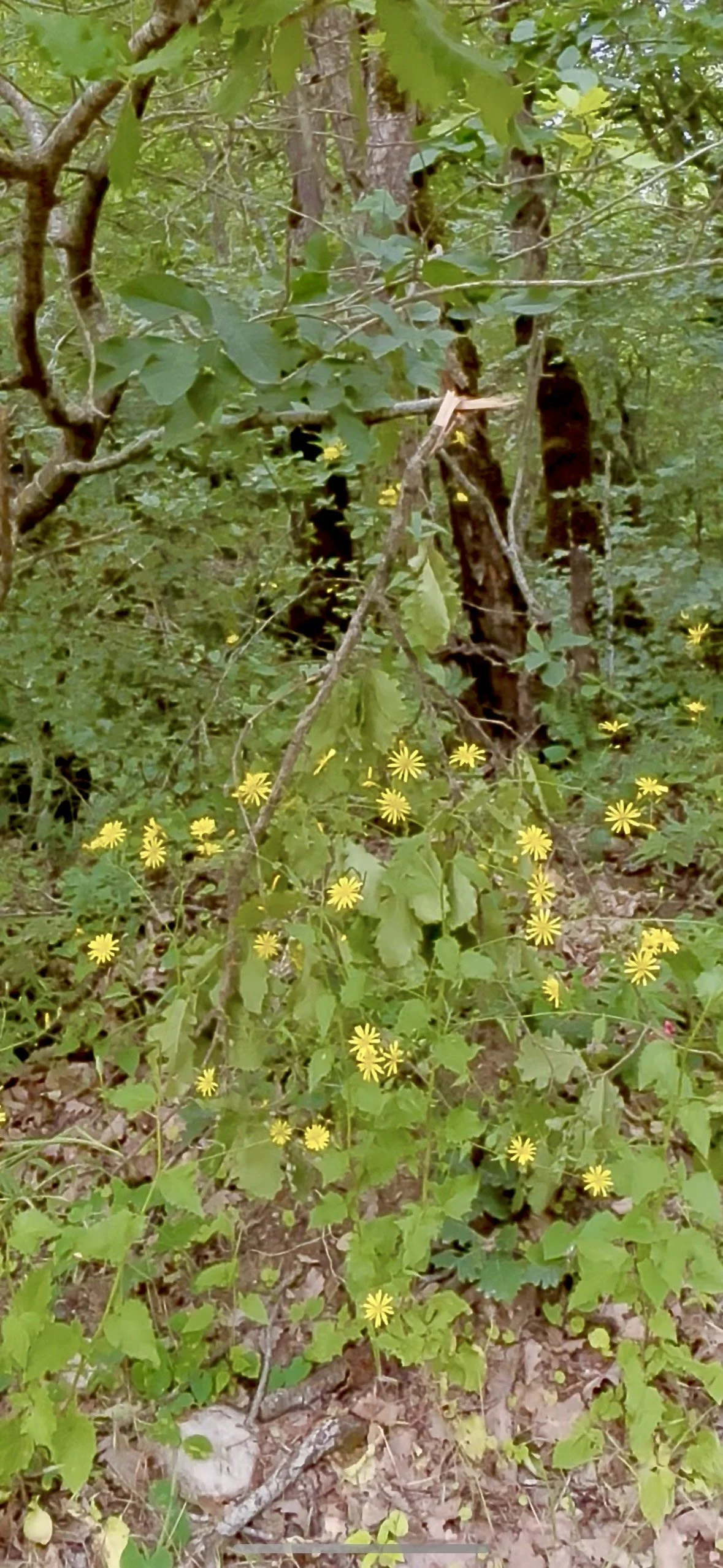
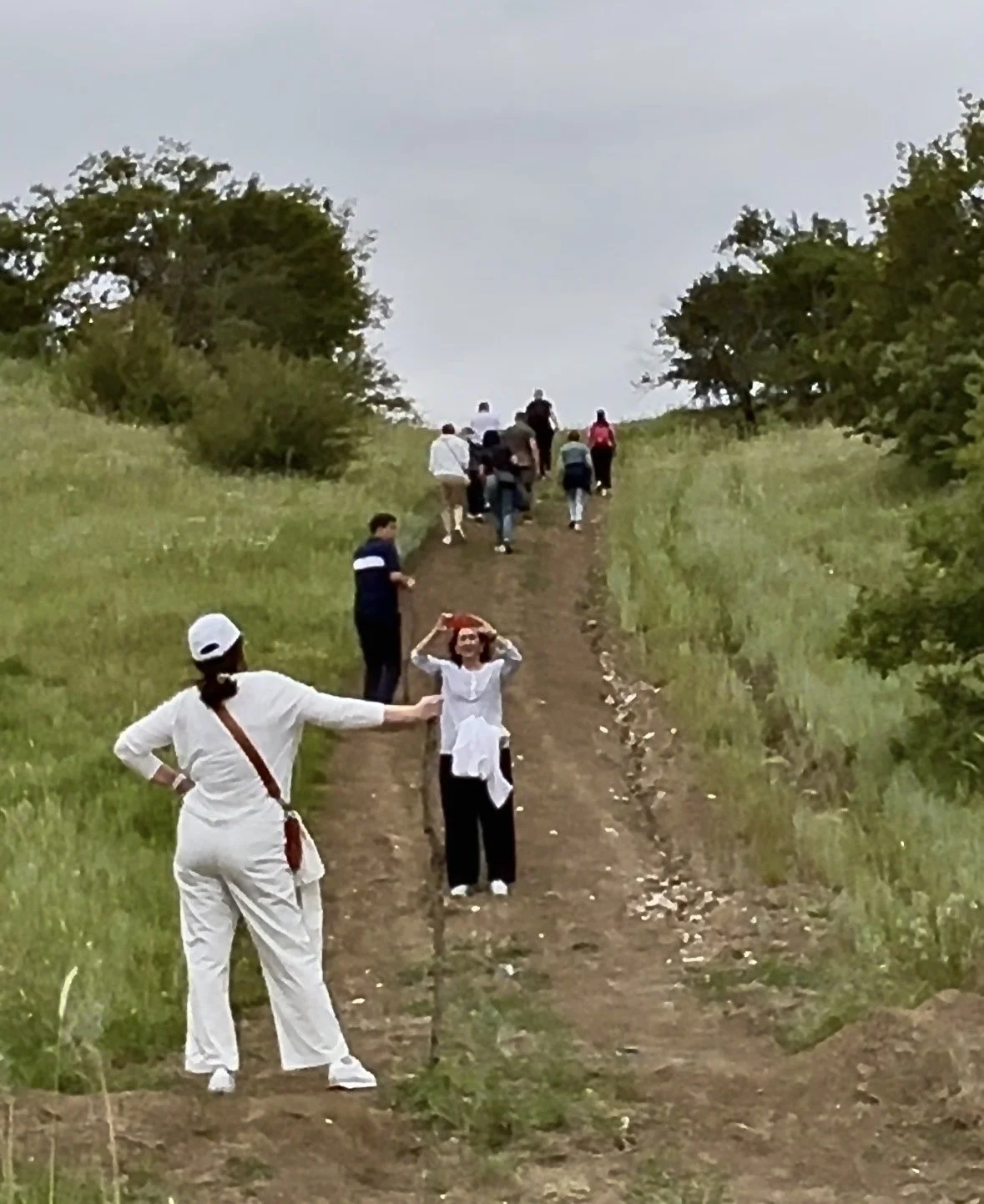
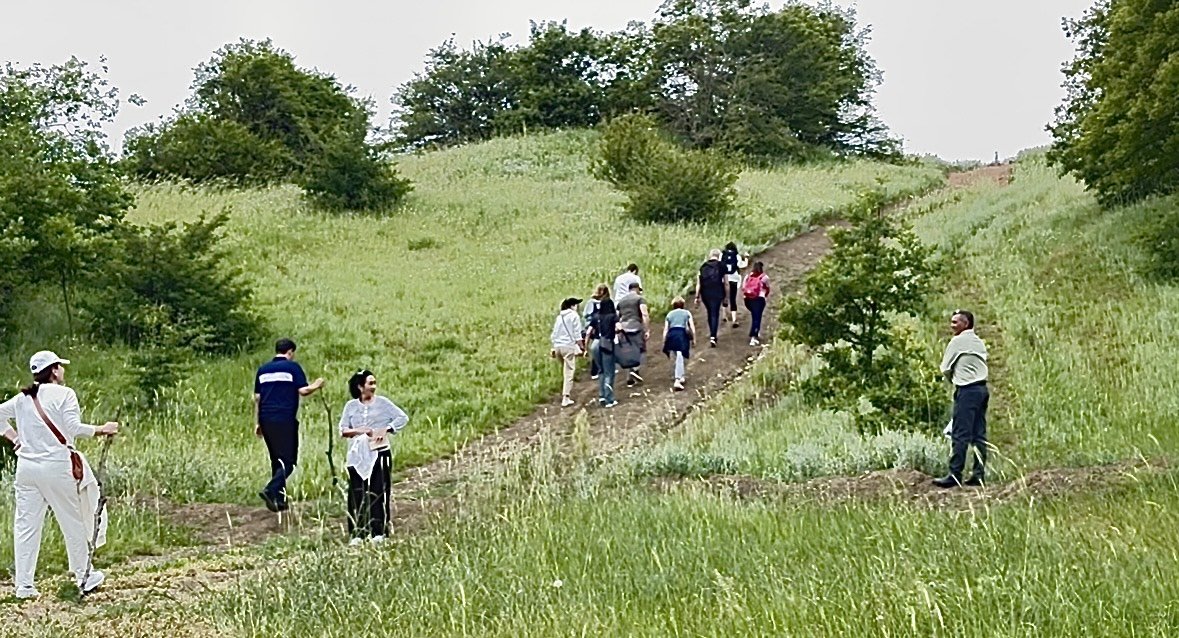
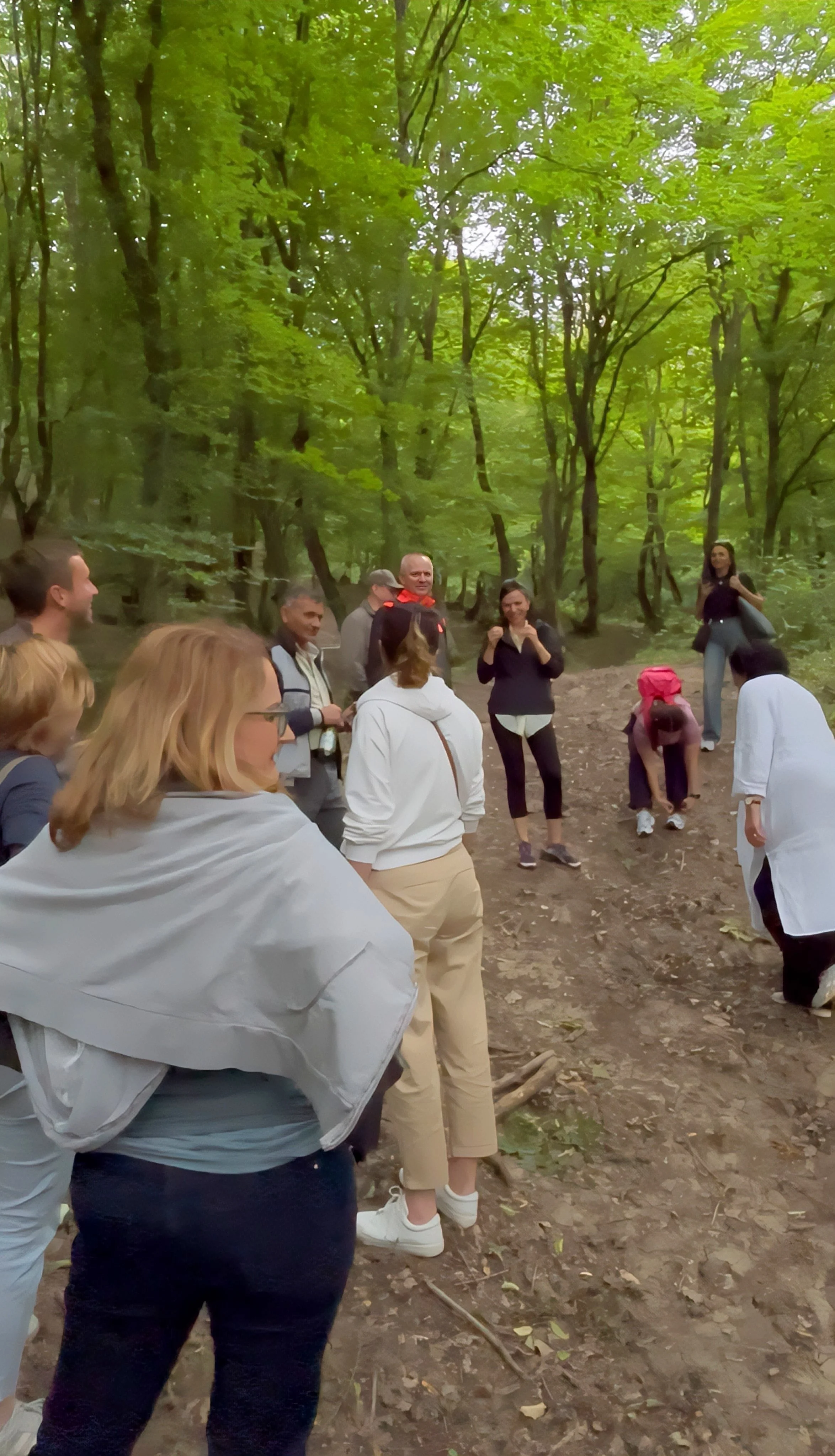
Most of the trail is going uphill through the forest area. After finishing last part we find ourselves in the area of the castle, spectacular views here are for sure (according to the weather).
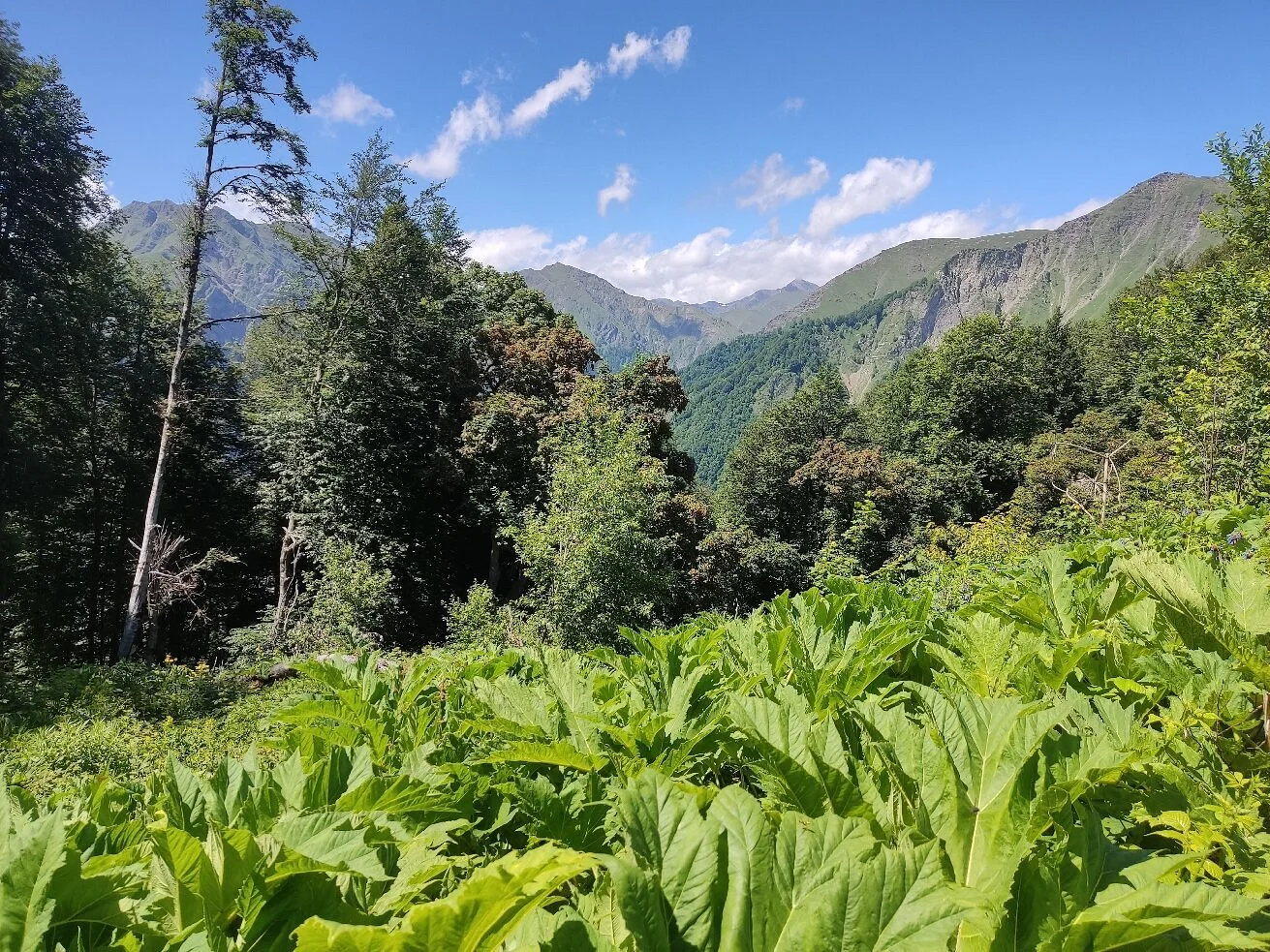
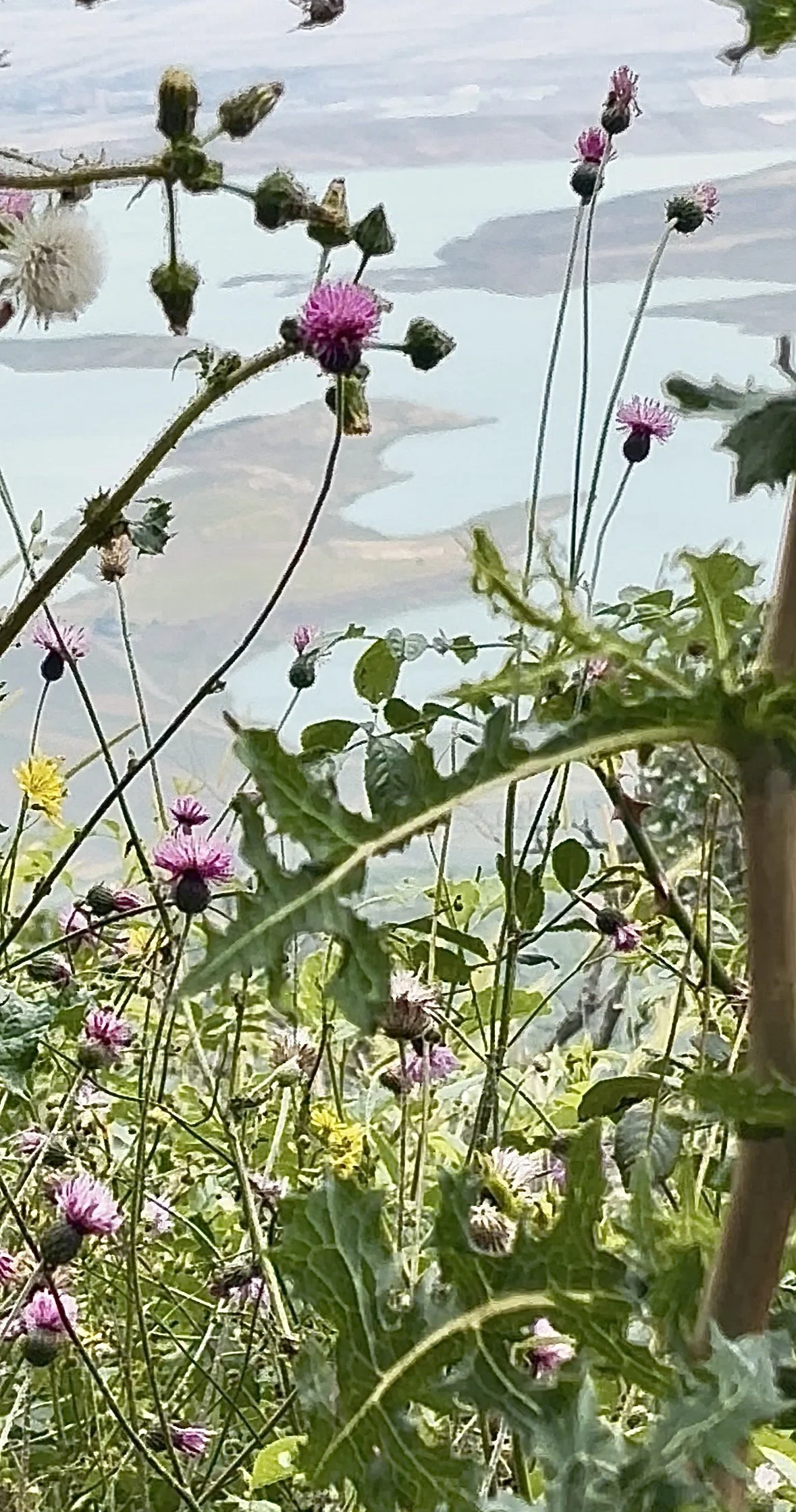
Galaalti-Chiraggala direction. Azerbaijan
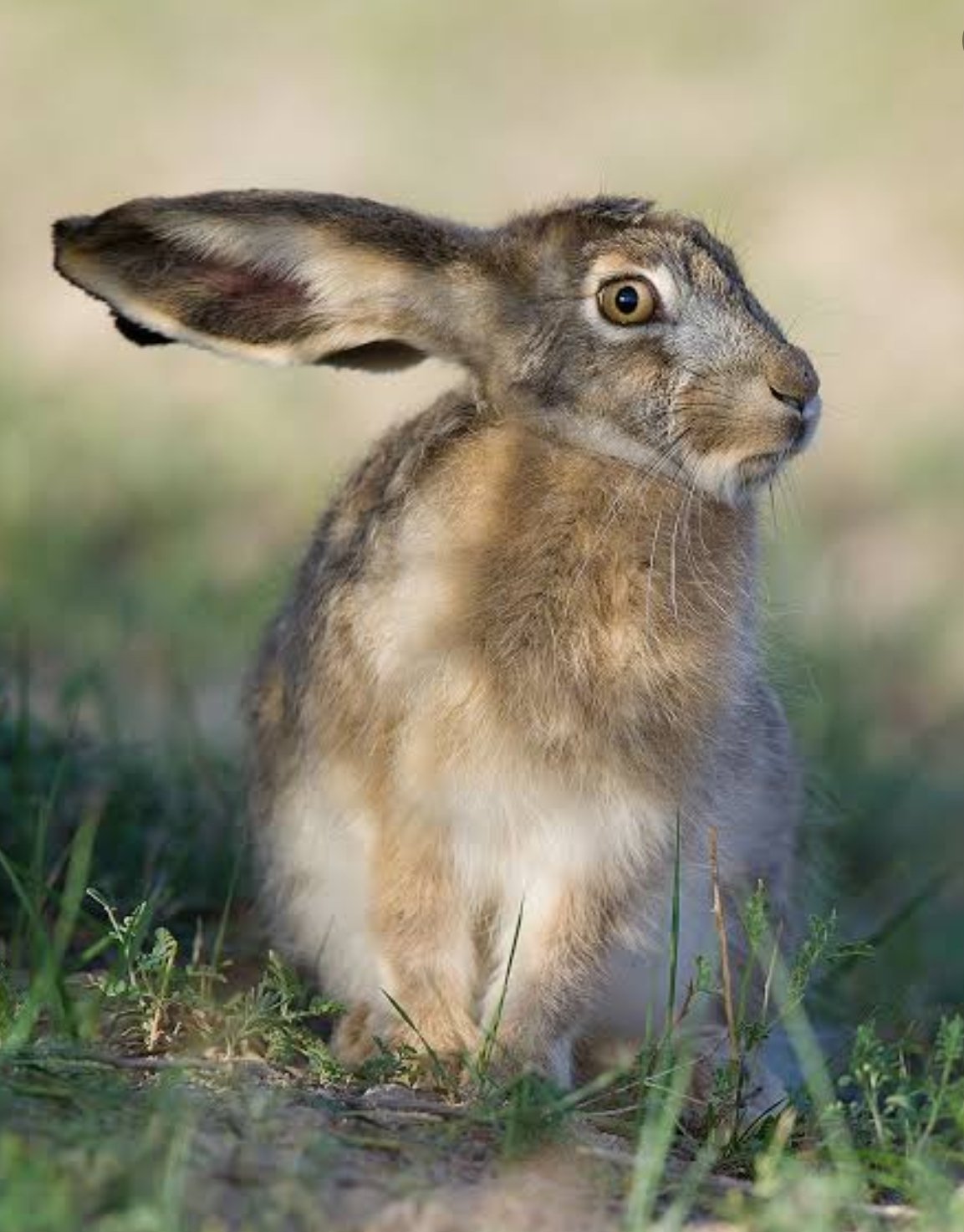
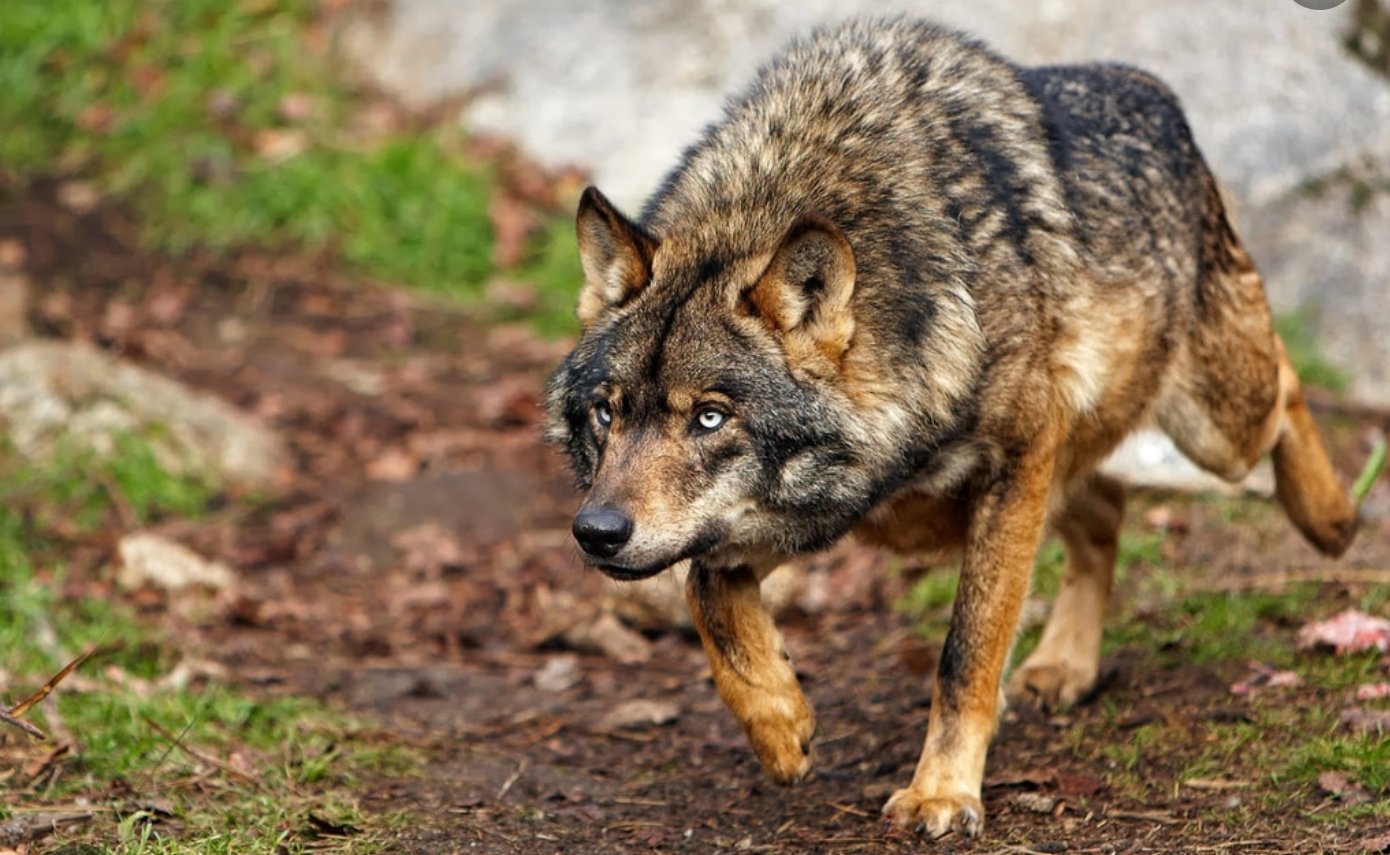
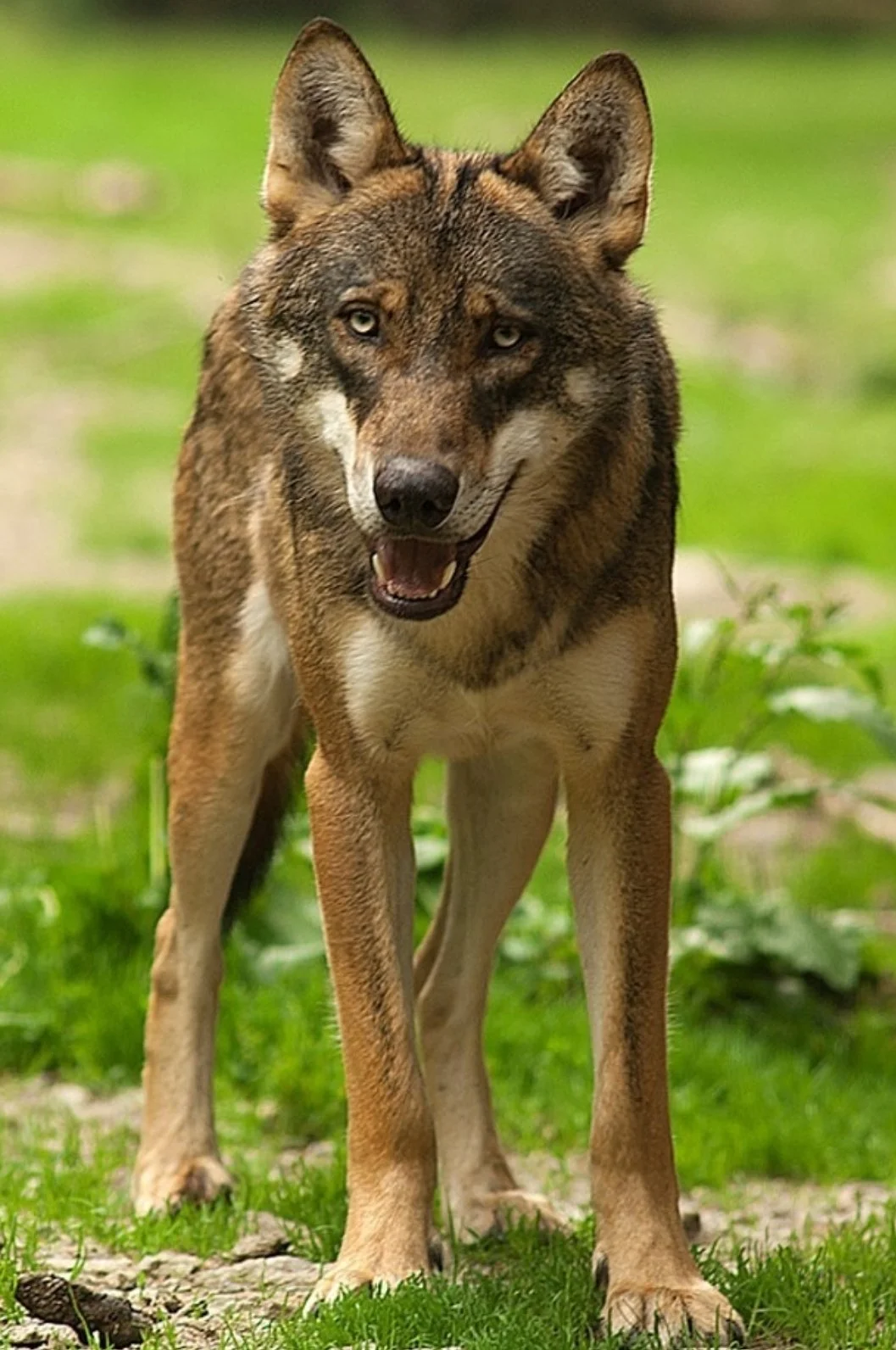
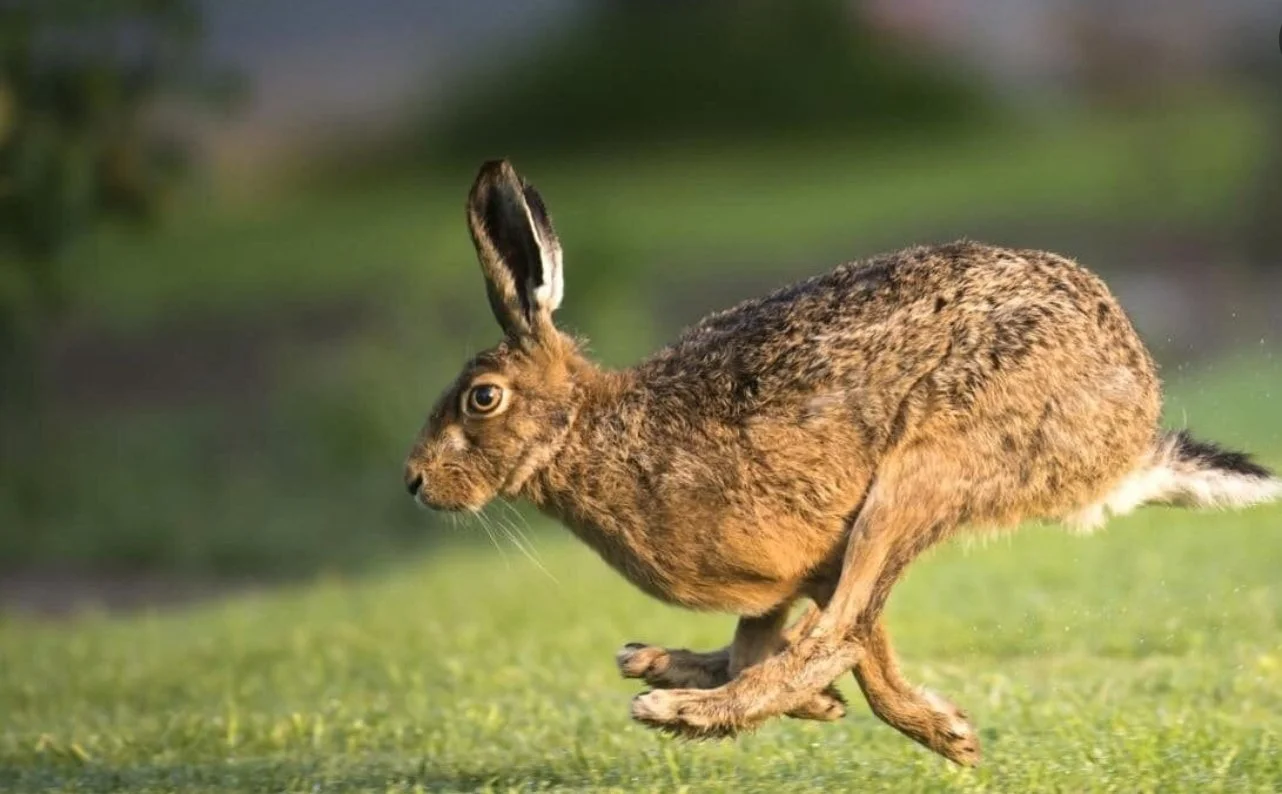
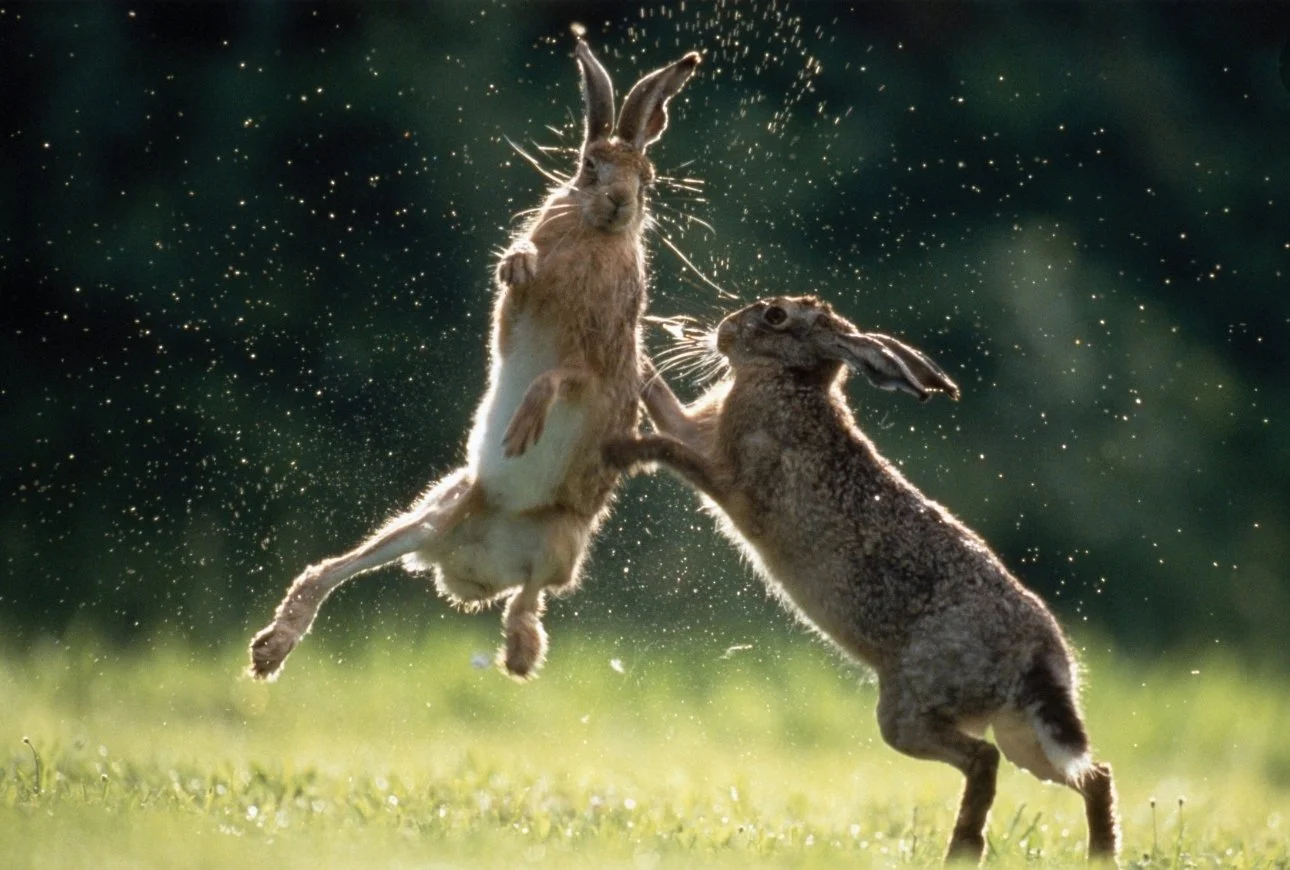
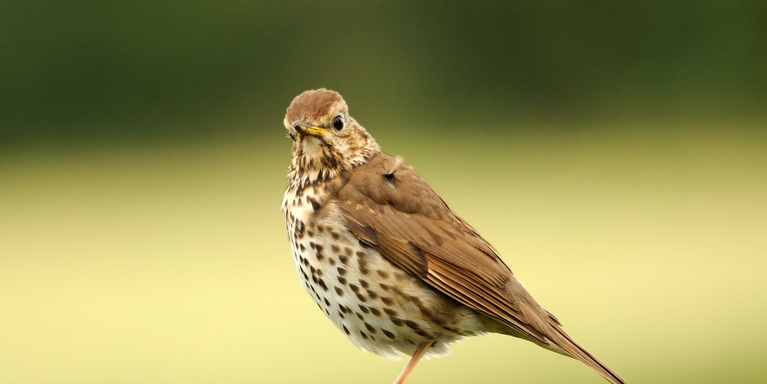
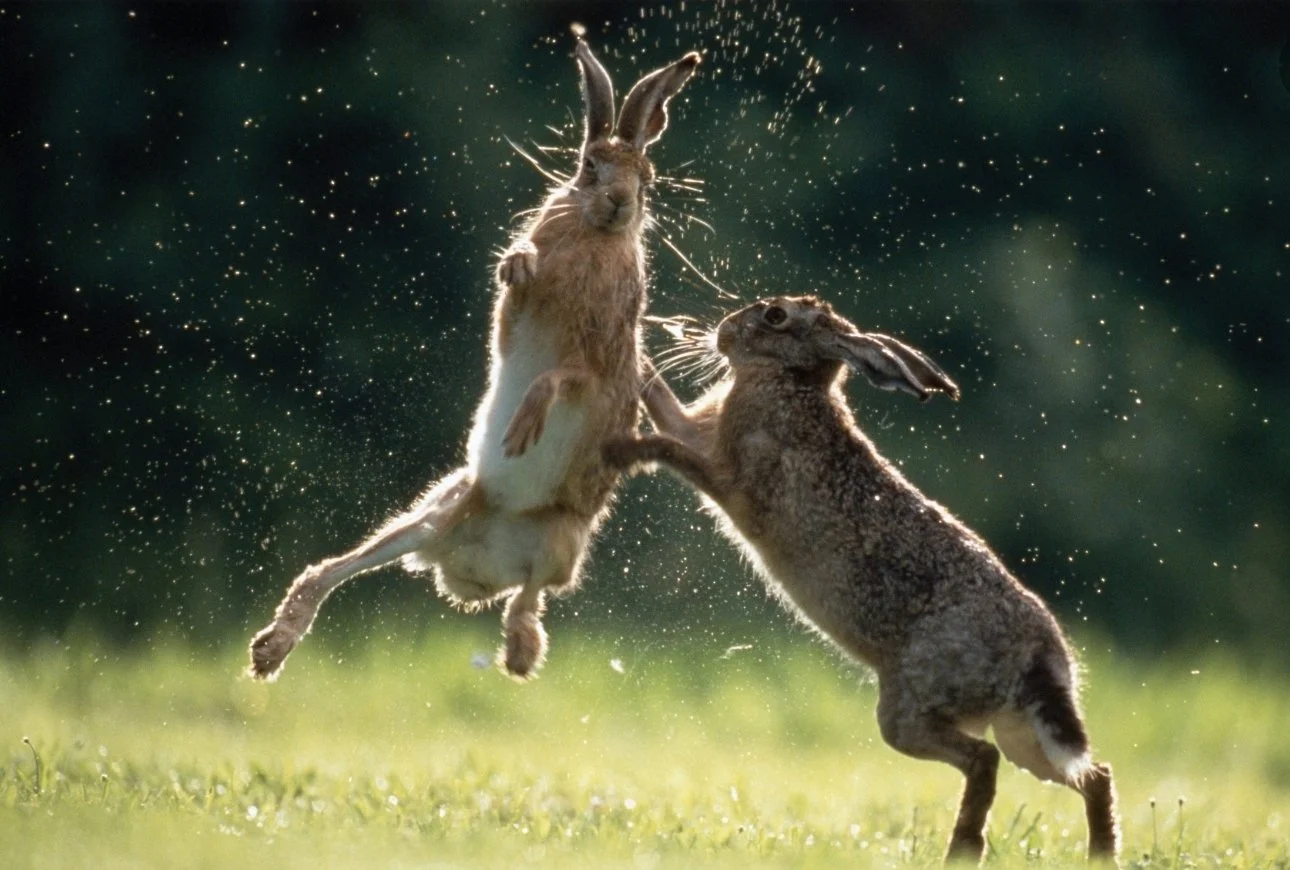
Animals in the Galaalti area include a variety of mammals and birds, such asroe deer, brown bears, wild boars, and wolves. Common birds includeeagles, thrushes, and partridges. You can also find foxes, squirrels, donkeys, and hares, among others.
Mammals:
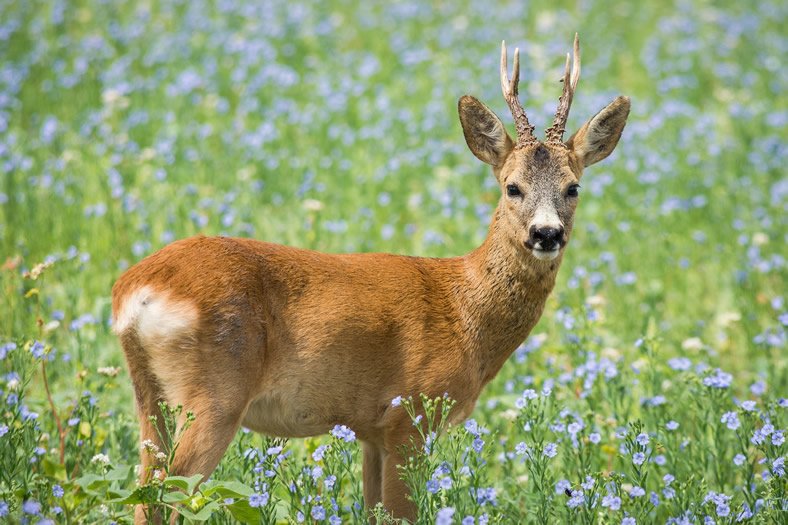
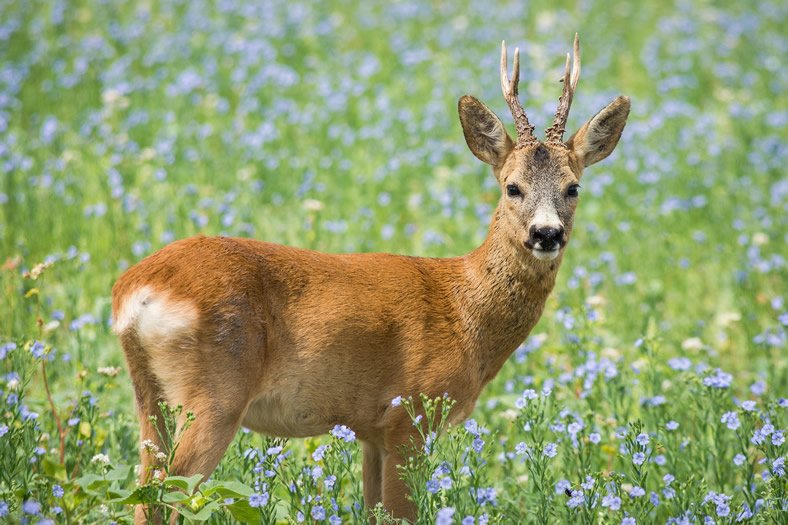
Roe deer: The roe deer’s coat is reddish brown in summer and grayish brown with a conspicuous white rump patch in winter. The male has short, usually three-tined antlers that are roughened and enlarged at the base, apparently to protect the skull against antler punctures. An almost tailless deer, the European roe deer stands 66–86 cm (26–34 inches) at the shoulder and rarely exceeds 30 kg (66 pounds) in weight. Siberian roebucks weigh about 50 kg (110 pounds).
Roe deer are adapted to the forest edge. They are masters at exploiting the ecological opportunities caused by wild fires and floods. They also take advantage of human landscape disturbances and thrive when given a modicum of care and management.
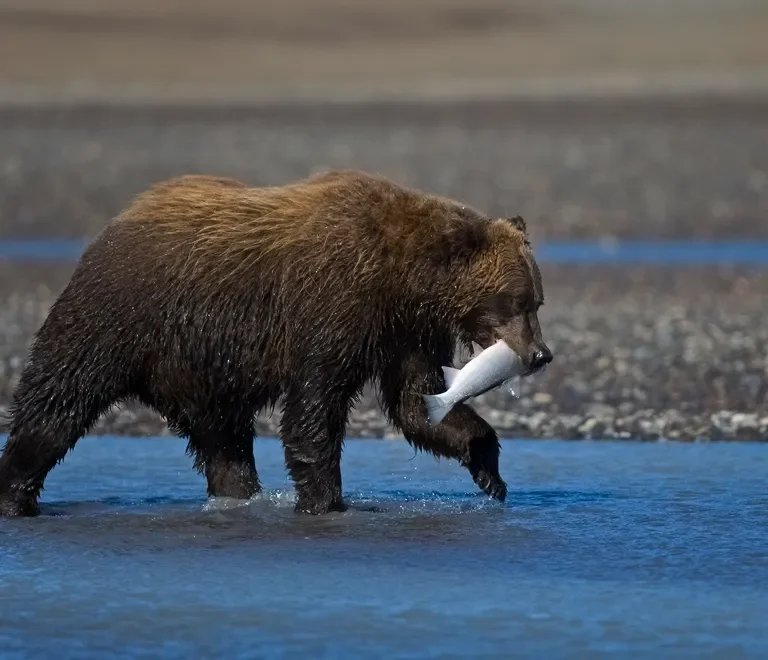
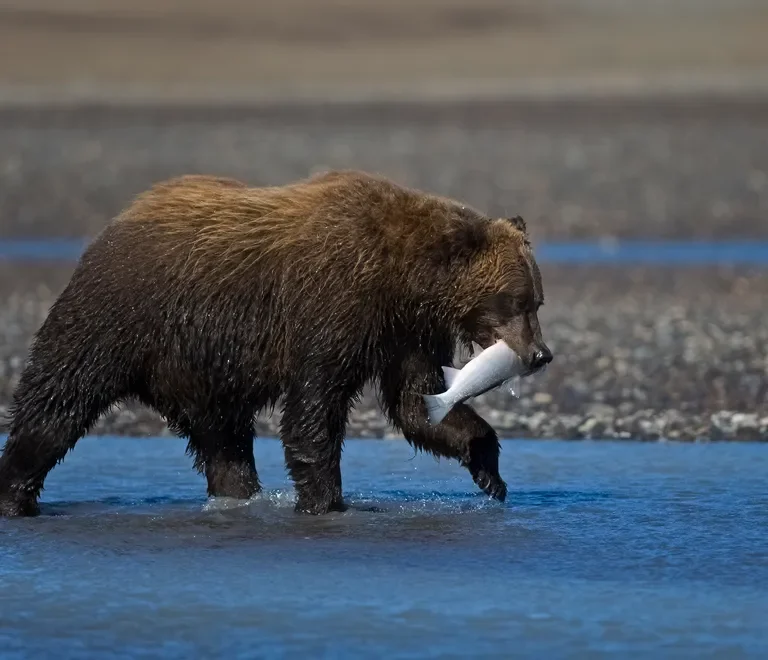
Brown bear: What Do Brown Bears Eat?
Brown bears are omnivorous, eating a mixed diet of plants, berries, fish, and small mammals. Unlike black bears, brown bears have long, strong claws that they use to dig for food, pick fruits, and catch prey.
Brown bears are very intelligent, curious, and skilled at finding food. Bears who are fed by humans may begin to associate people with food, and this can become dangerous. So please remember: No matter where you are, don’t feed the bears! Help keep them wild by following these tips on food storage and bear safety.
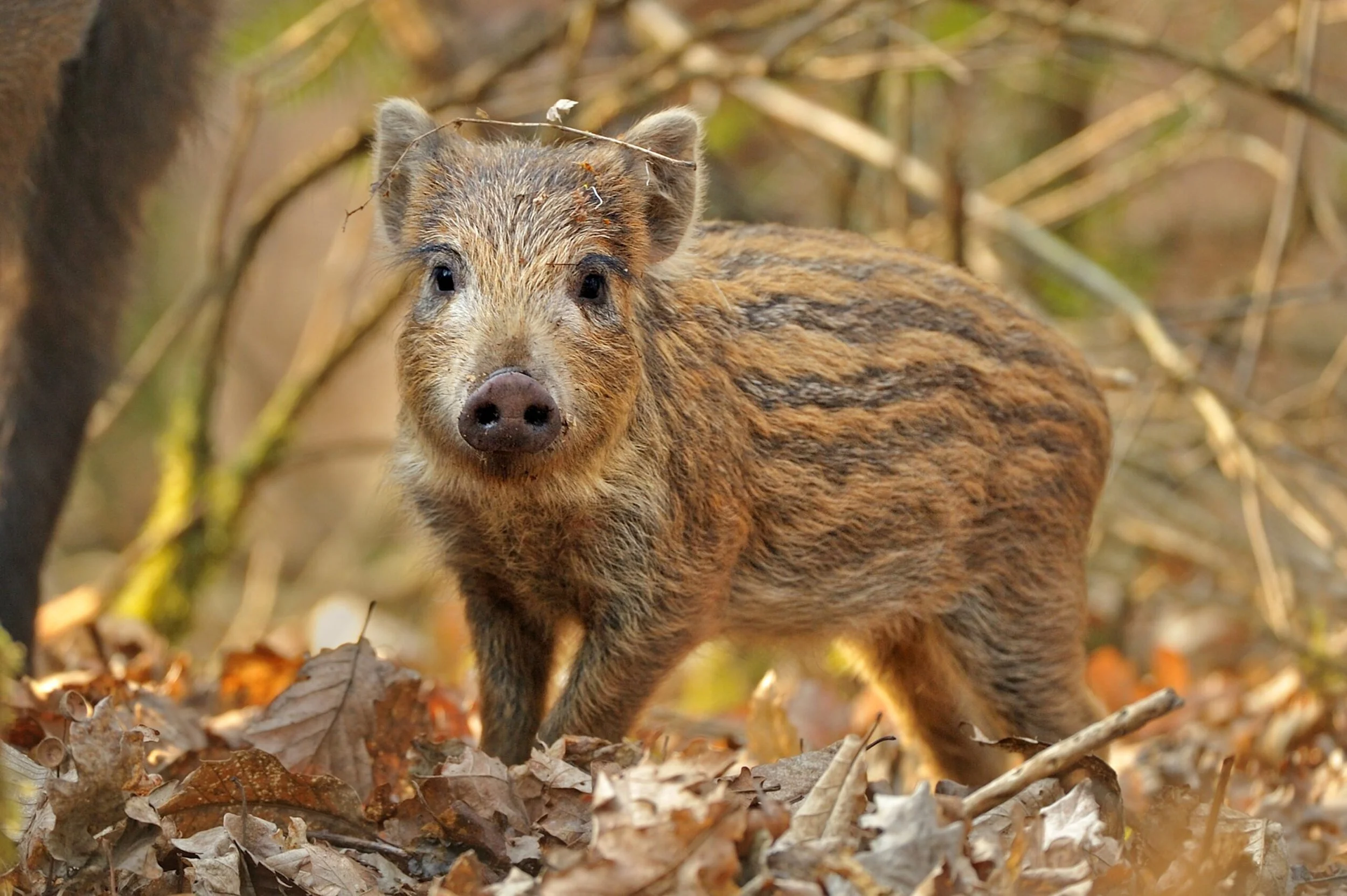
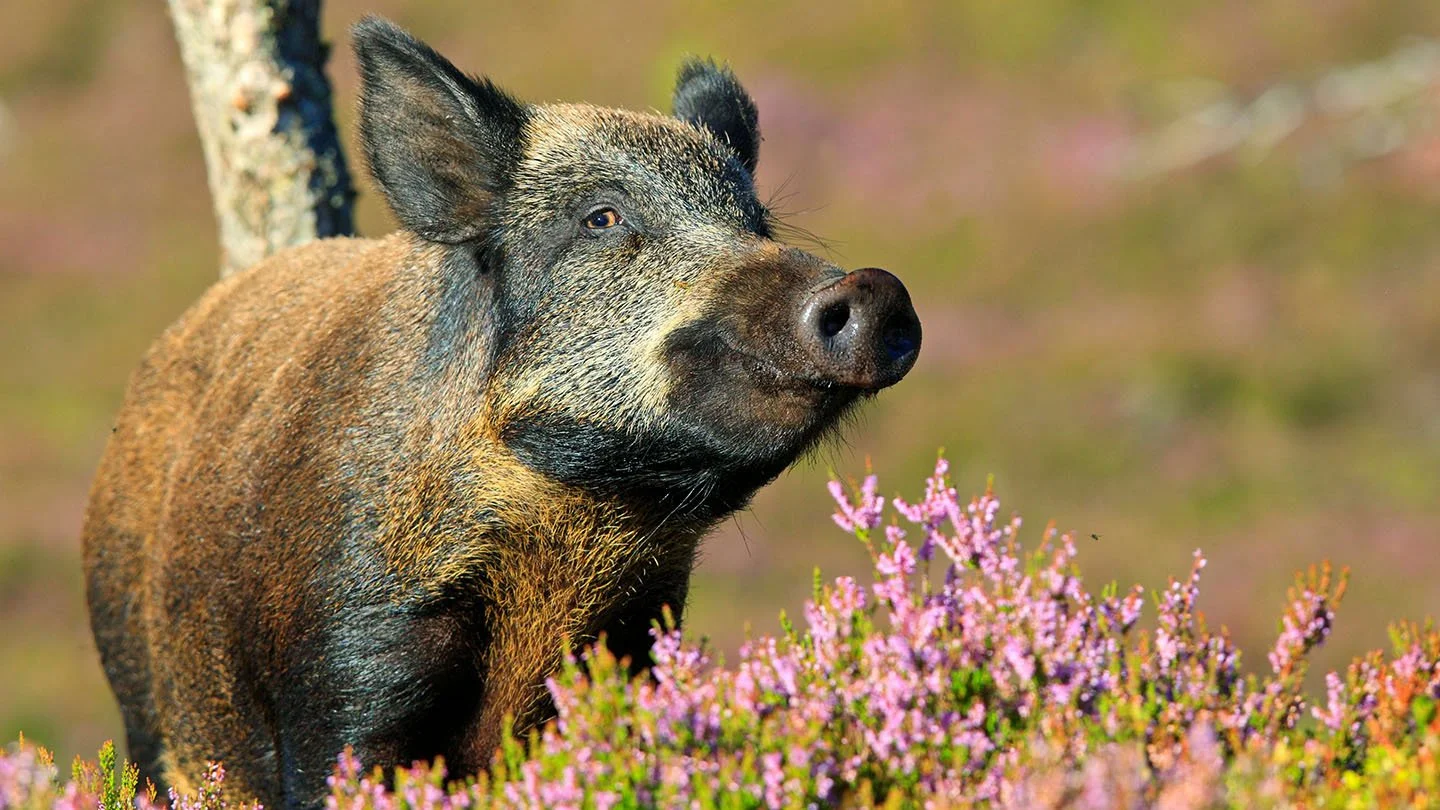
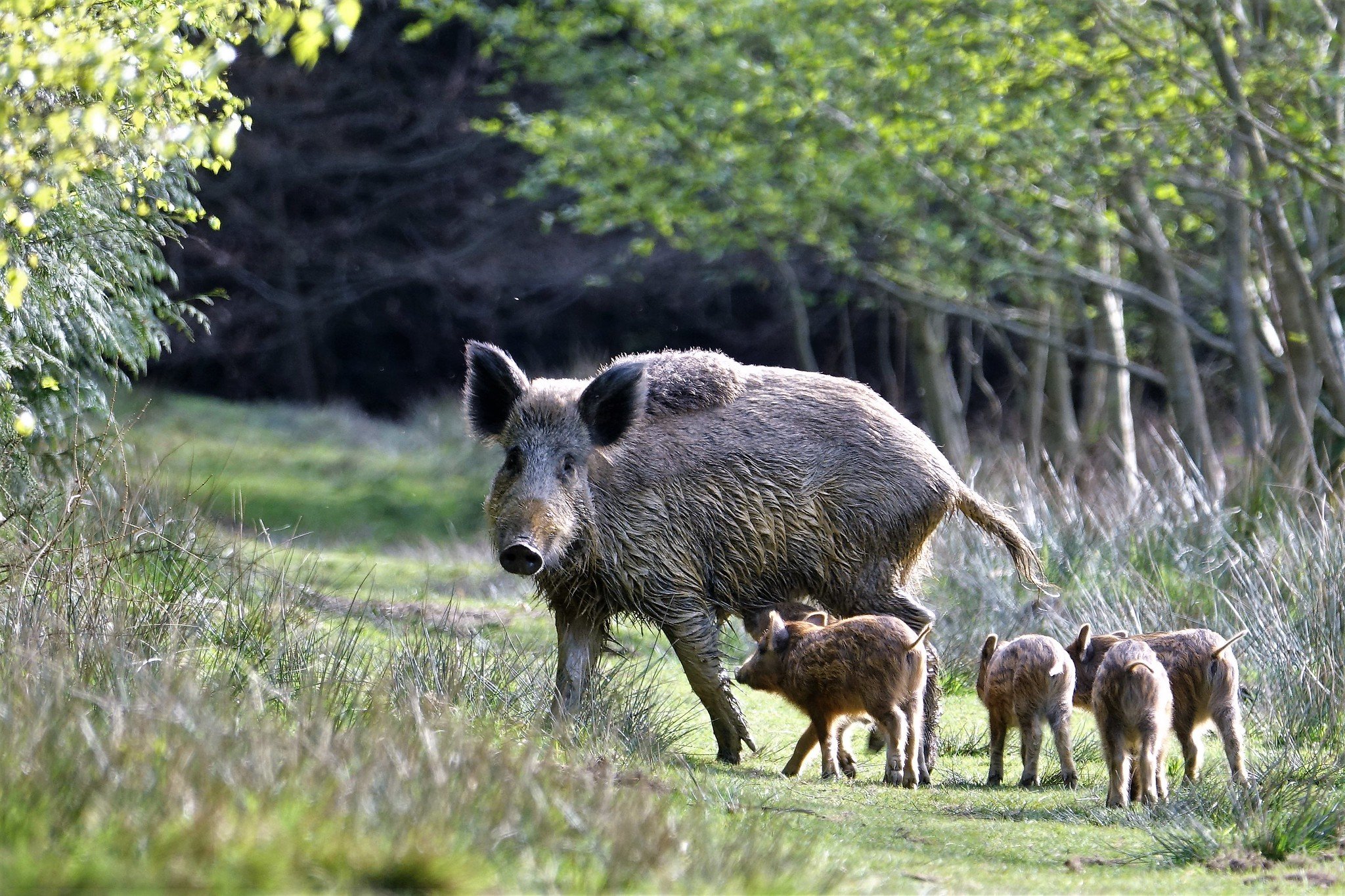
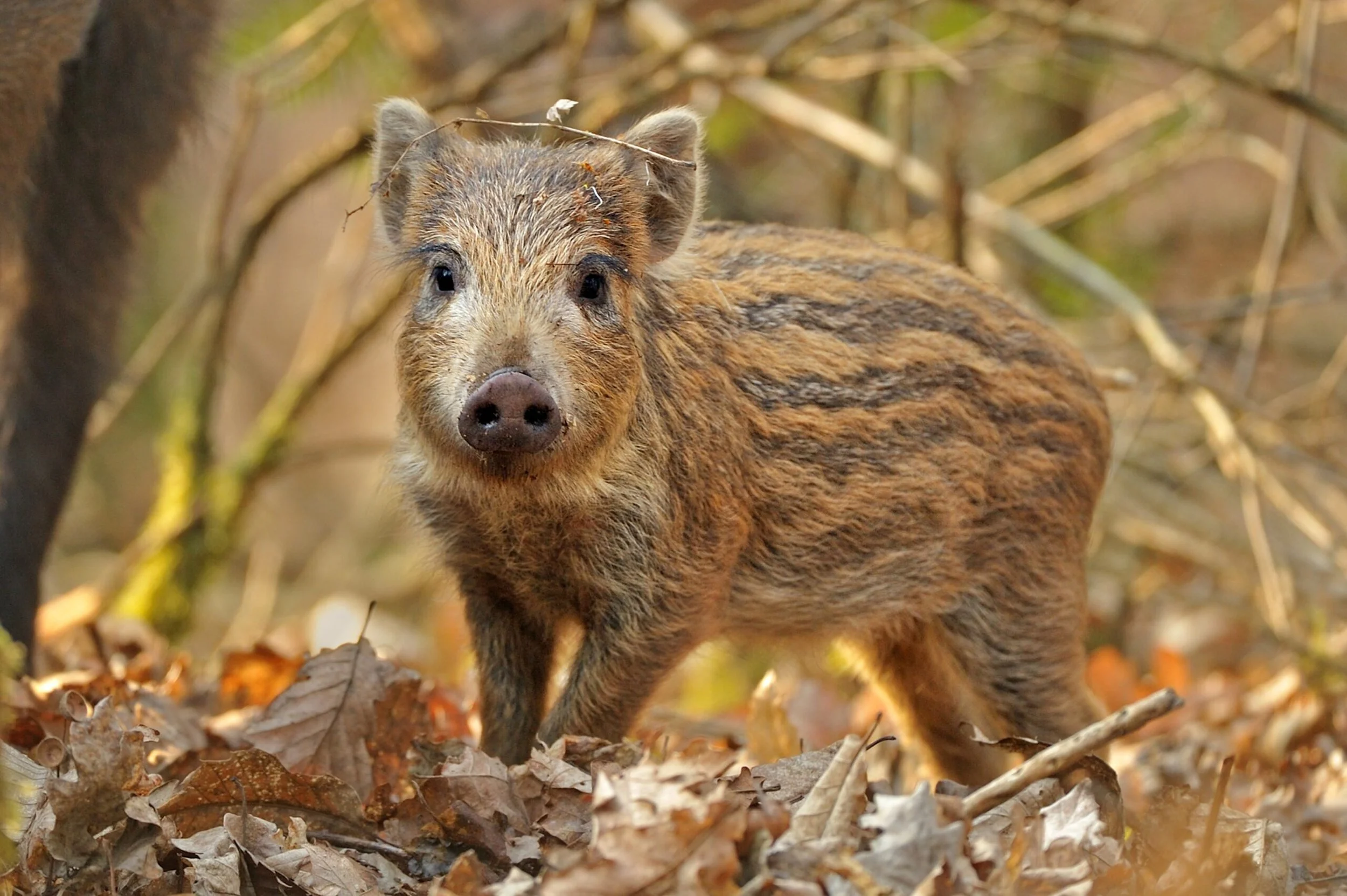
Wild boar:
Size: Length 100-170 cm (3.3-5.6 ft.), averaging 140 cm/150cm (ca. 5 ft.) for female/male, plus a 16-30 cm (6-12 in.) tail. Adults stand 70-100 cm (2.3-3.3 ft.) at the shoulder and their weight varies significantly with both latitude and season, from 45 to 230 kg (99-507 lbs or 8-40 stone). Males average 130 kg (300 lbs / 23 stone), but are totally focussed on mating during rut and don't eat, resulting in the loss of up to 25% of their bodyweight over autumn.
Colour/Appearance: Large, muscular head and shoulders with a back sloping down to the rump. The tail is straight with long tassels of hair at the tip. The eyes are small, set in a long and narrow snout that ends in a cartilaginous disc. The ears are in proportion to head and always held erect. The coat colour varies from very dark brown (almost black) to white/leucistic, changing with the age and moult stage of the individual with the ears and legs typically darker than the rest of the body. Twice-yearly moult results in two coat phases: a summer coat characterised by uniformly short bristly hairs; and a shaggy, brindled winter coat consisting of long, robust guard hairs with pale tips covering a felt-like pale brown underfur. Loss of undercoat starts in April and re-growth commences in August/September. Tusks present in both species, but much larger in males.
Longevity: The potential wild lifespan appears to be about 10 yrs, although most probably don't live longer than ca. 6 yrs. In captivity, there are several records of animals making it into their mid-teens or early 20s, but the current longevity record for the species appears to be a male kept at Hirakawa Zoo in Kagoshima, Japan, born in April 1964 that died in April 1991 at 27 yrs old.
Wolf:
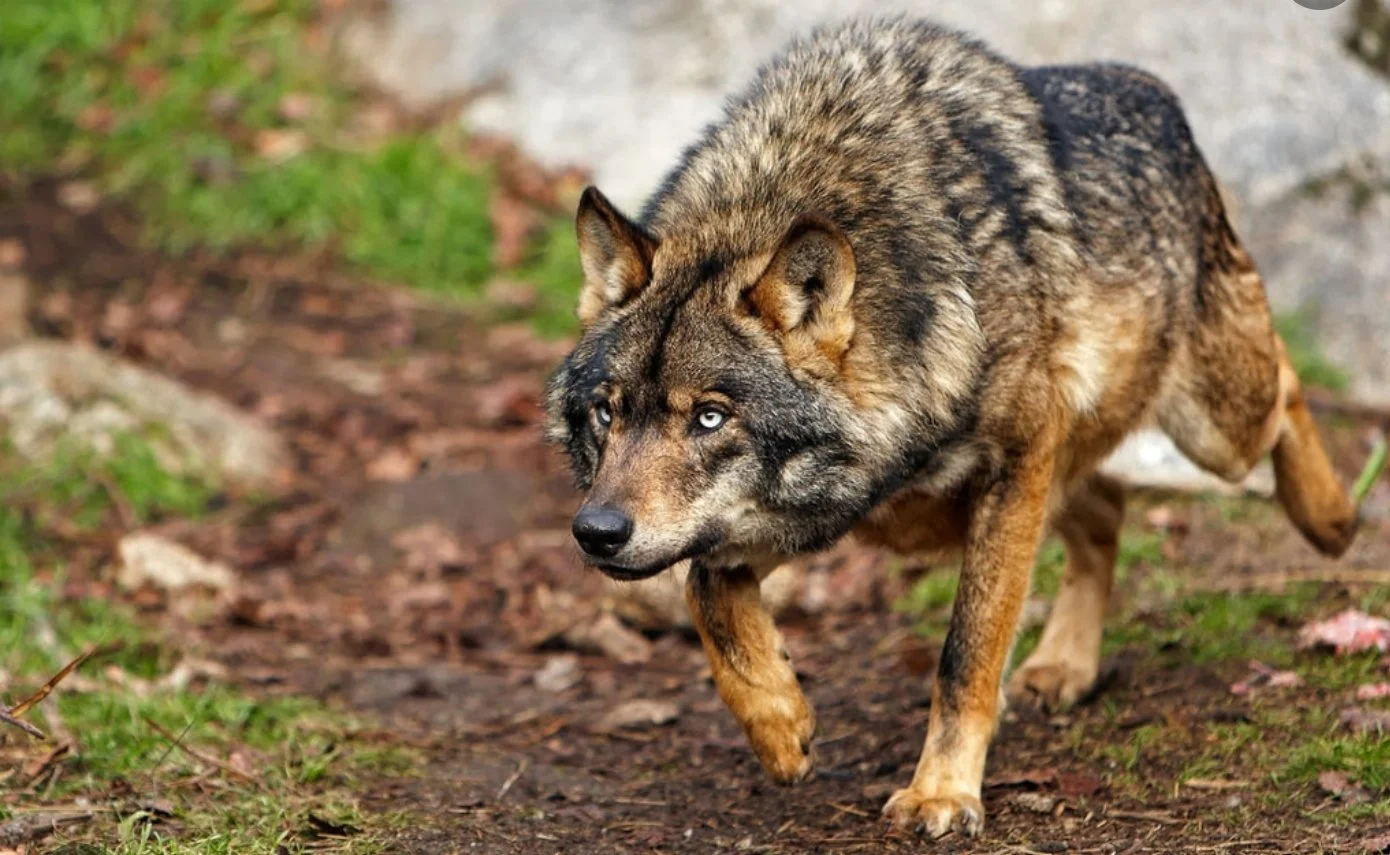
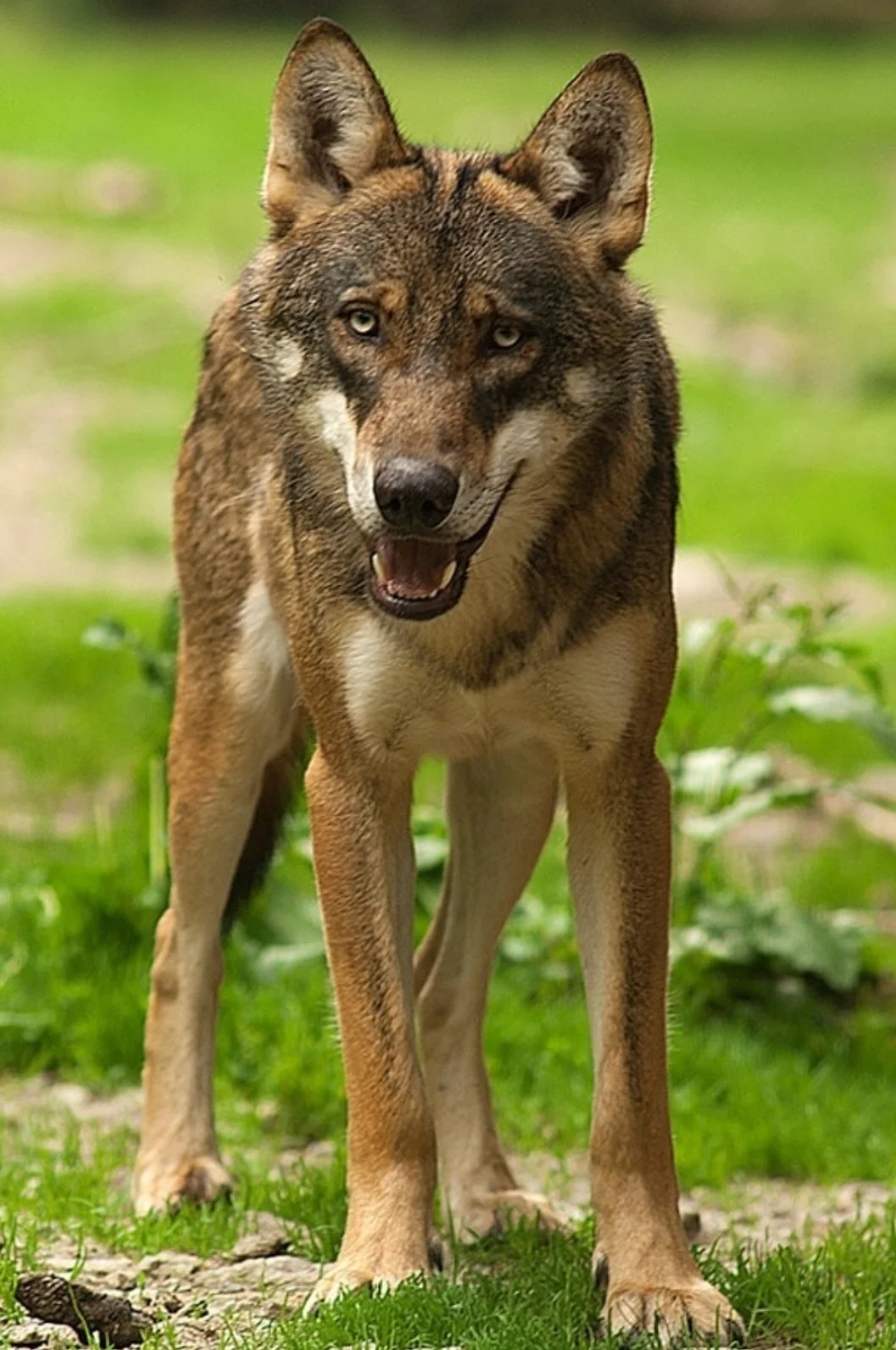
The query "wolf in galaalti" likely refers to the presence and interactions of wolves with local Alabai (Turkmen Wolfhound) dogs in the Galaalti region of Azerbaijan, which is a mountainous area. These dogs were specifically bred to defend livestock against predators like wolves, utilizing their immense strength, thick skin, and powerful jaws.
Encounters between wolves and Alabais can result in significant losses for both sides, though wolves, being more intelligent and aware of the risks, are likely to retreat if they encounter a large, cohesive pack of dogs. Alabai vs. wolf: Alabais have been bred to be formidable opponents to wolves. Their physical attributes, such as their powerful neck and thick skin, give them an advantage in combat, say the videos.
Wolf pack behavior: Wolves are intelligent and work in packs, but they may retreat when faced with a strong, cohesive group of dogs to avoid losses.
Regional differences: The size and strength of wolves can vary by region. In Turkmenistan, wolves are typically smaller (\(30-40\) kg), making them a more manageable threat for Alabais compared to larger northern wolf breeds.Other predators: Striped hyenas are considered a greater threat than wolves in Turkmenistan due to their powerful jaws and ability to kill with a single bite, which causes Alabais to react with more caution.
Other mammals:Fox, Jackal, Lynx, Squirrels, Hare, Donkeys, Racoon
Birds:
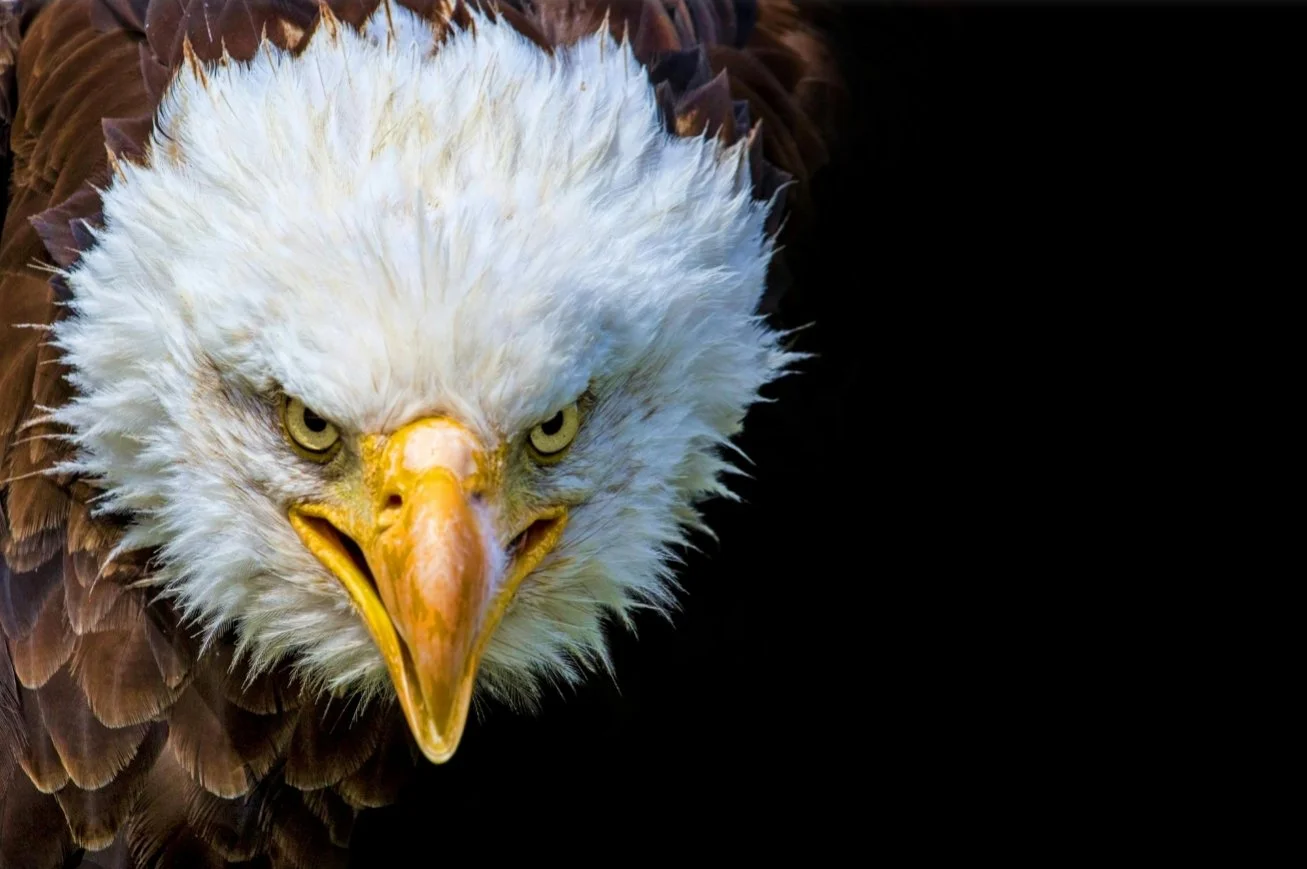
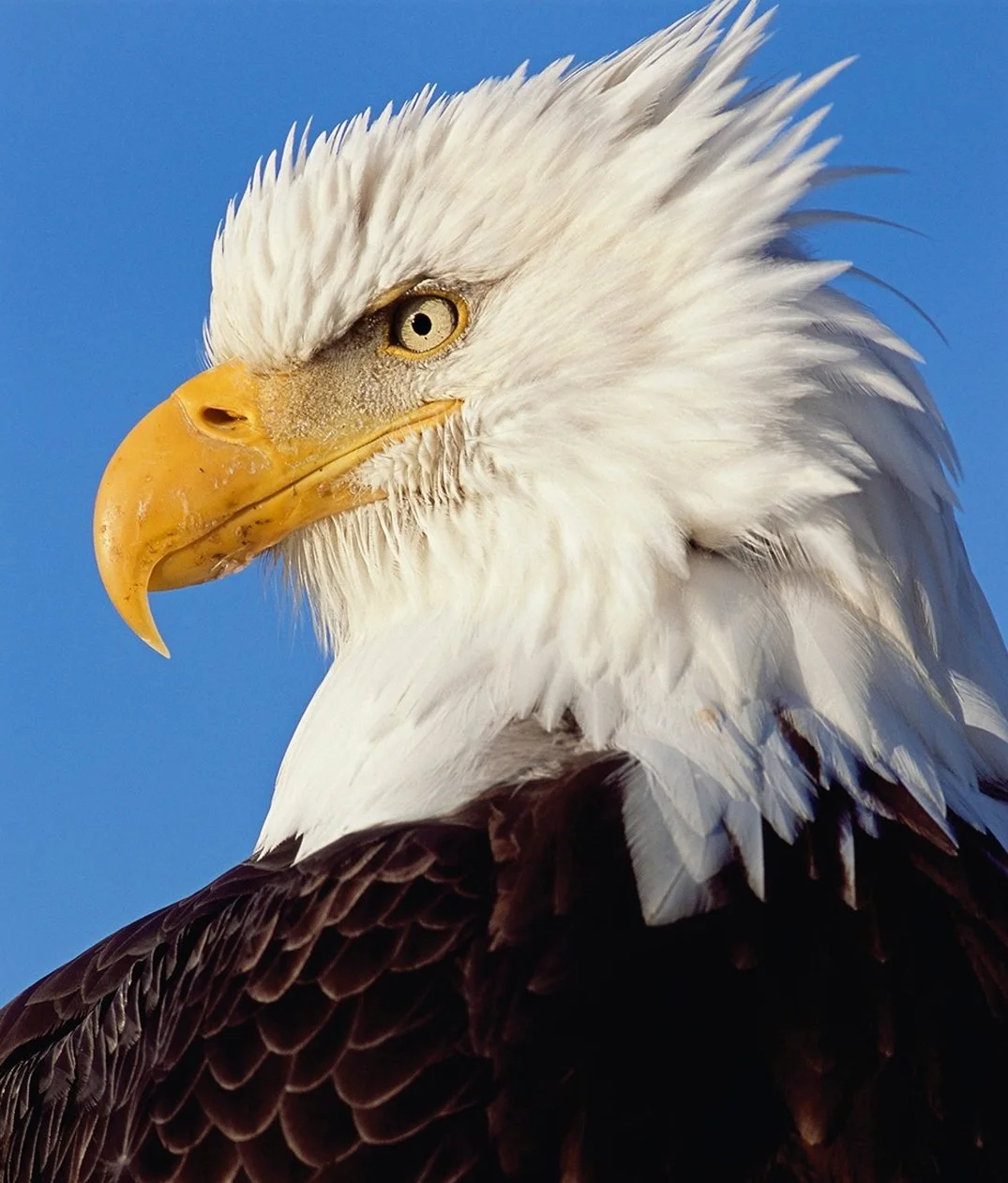
Eagle: any of many large, heavy-beaked, big-footed birds of prey belonging to the family Accipitridae (order Accipitriformes).
In general, an eagle is any bird of prey more powerful than a buteo. An eagle may resemble a vulture in build and flight characteristics but has a fully feathered (often crested) head and strong feet equipped with great curved talons. A further difference is in foraging habits: eagles subsist mainly on live prey. They are too ponderous for effective aerial pursuit but try to surprise and overwhelm their prey on the ground. Like owls, many decapitate their kills. Because of their strength, eagles have been a symbol of war and imperial power since Babylonian times. Their likeness is found on Greek and Roman ruins, coins, and medals.
Eagle generally soar at speeds of about 50 km (30 miles) per hour when flying at high altitudes. They can accelerate to even greater speeds when diving in pursuit of prey. The golden eagle (Aquila chrysaetos), one of the fastest eagle species, can swoop down at 240 to 320 km (150 to 200 miles) per hour to hunt and capture prey on the ground. The eagle’s broad, powerful wings help it glide across the sky with minimal effort, and its remarkable eyesight allows it to spot prey more than a mile away.
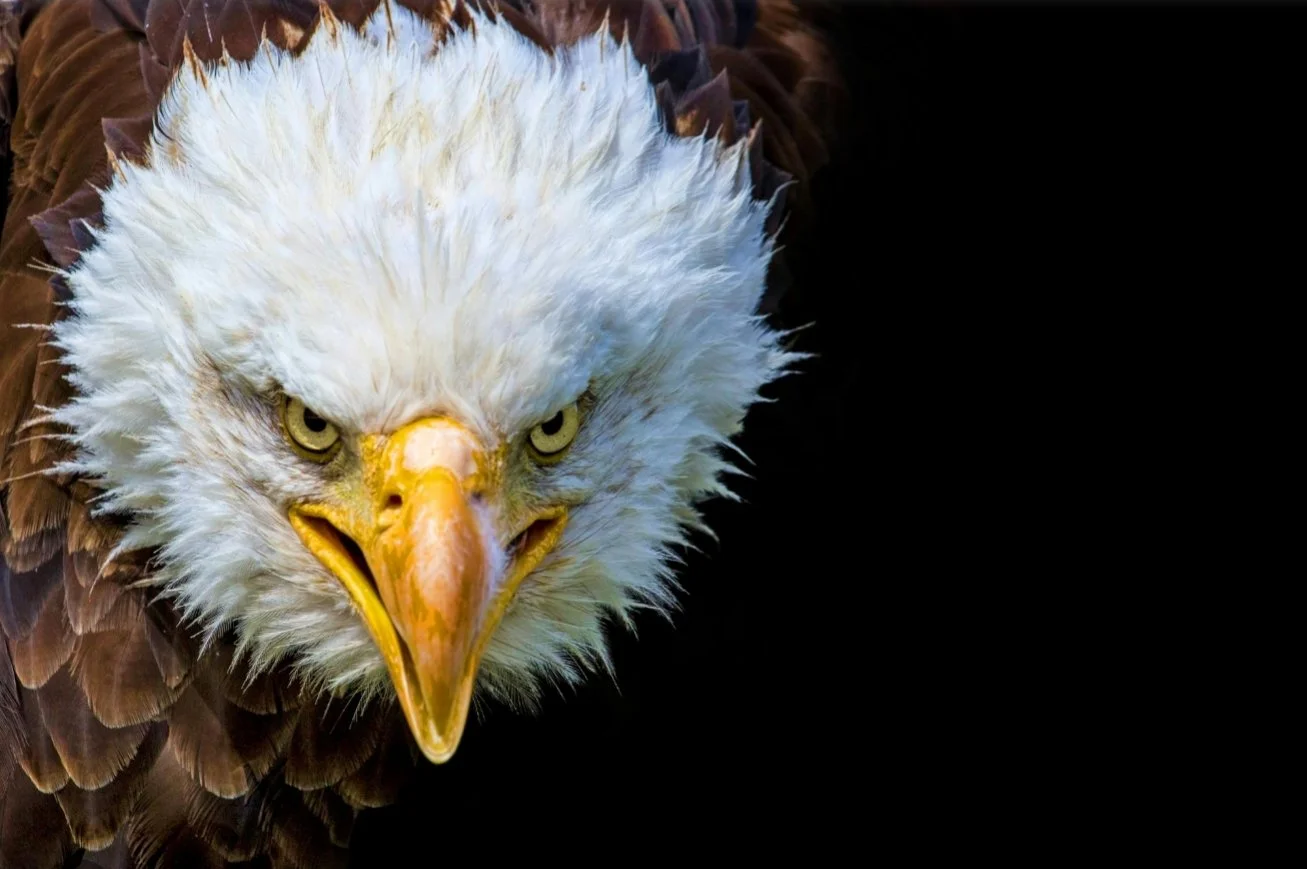
Eagle, panoramic view of Chiraggala
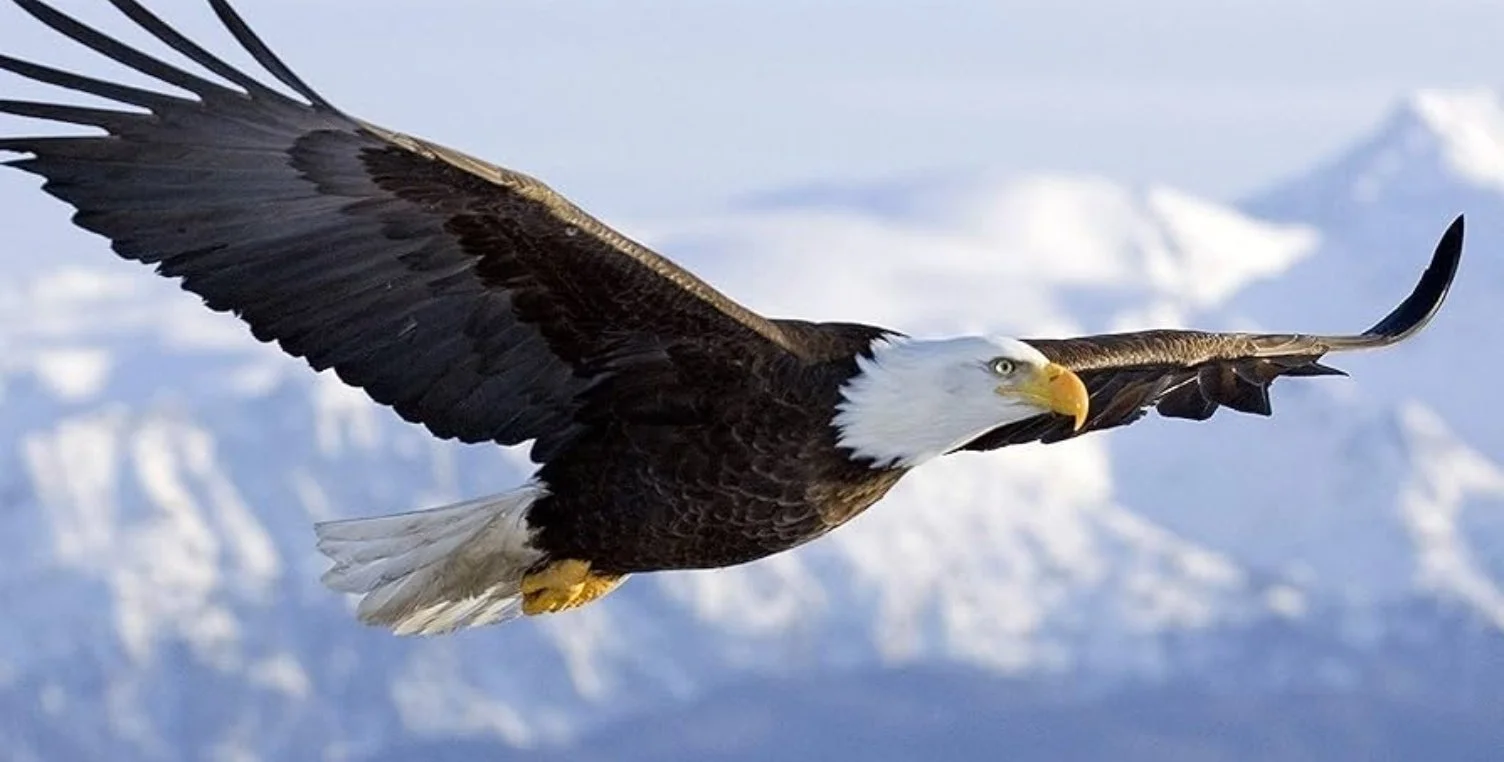
Eagle, panoramic view of Chiraggala
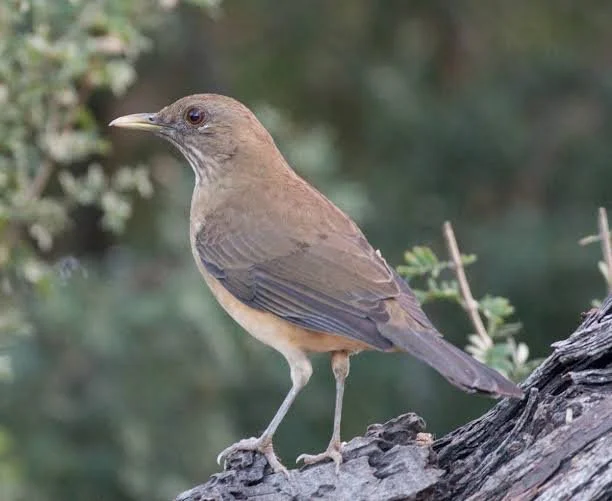
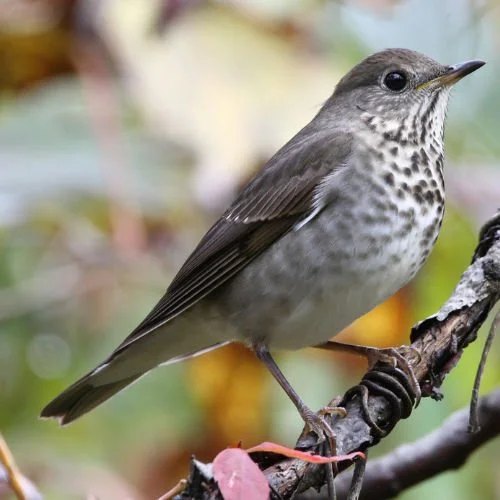
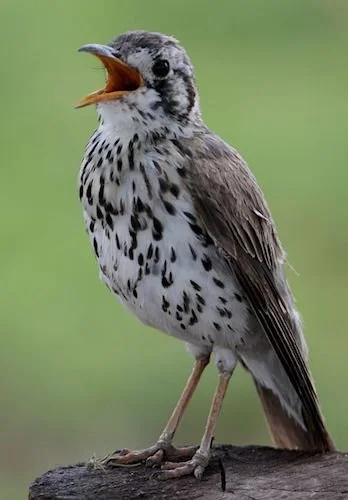
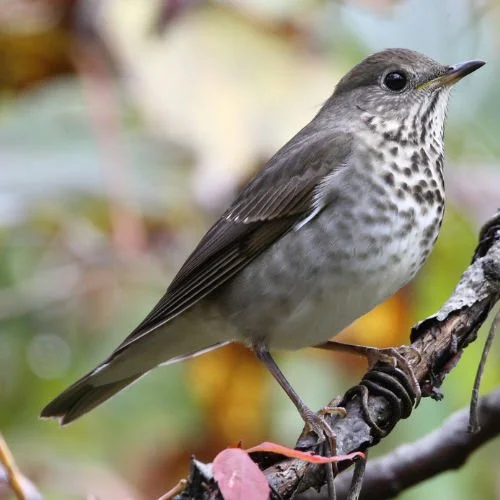
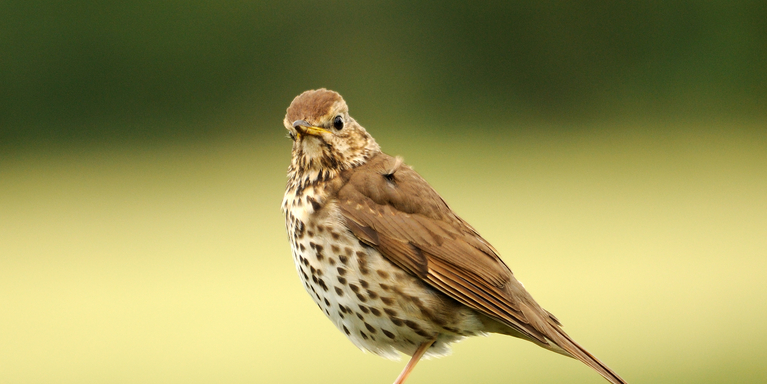
Thrush: TheTurdidaeare a family of passerine birds that occurs worldwide commonly called thrushes.
Thrushes are plump, soft-plumaged, small to medium-sized birds, inhabiting wooded areas, and often feed on the ground. The smallest thrush may be the Forest Rock Thrush, at 21g and 14.5cm. The largest thrush is the Blue Whistling Thrush, at 178g and 33cm. The Great Thrush is similar in length, but less heavily built. Most species are grey or brown in colour, often with speckled underparts. They are insectivorous, but most species also eat worms, land snails, and fruit. Many species are permanently resident in warm climates, while others migrate to higher latitudes during summer, often over considerable distances.
Thrushes build cup-shaped nests, sometimes lining them with mud. They lay two to five speckled eggs, sometimes laying two or more clutches per year. Both parents help in raising the young.
The songs of some species, including members of the genera Catharus, Myadestes, Sialia and Turdus, are considered to be among the most beautiful in the avian world.
Partridge:
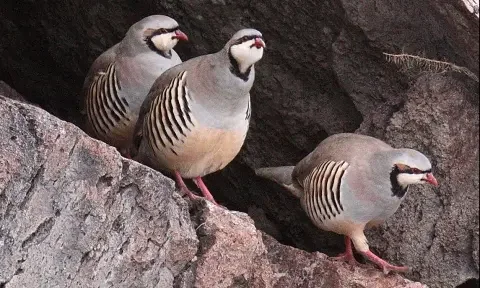
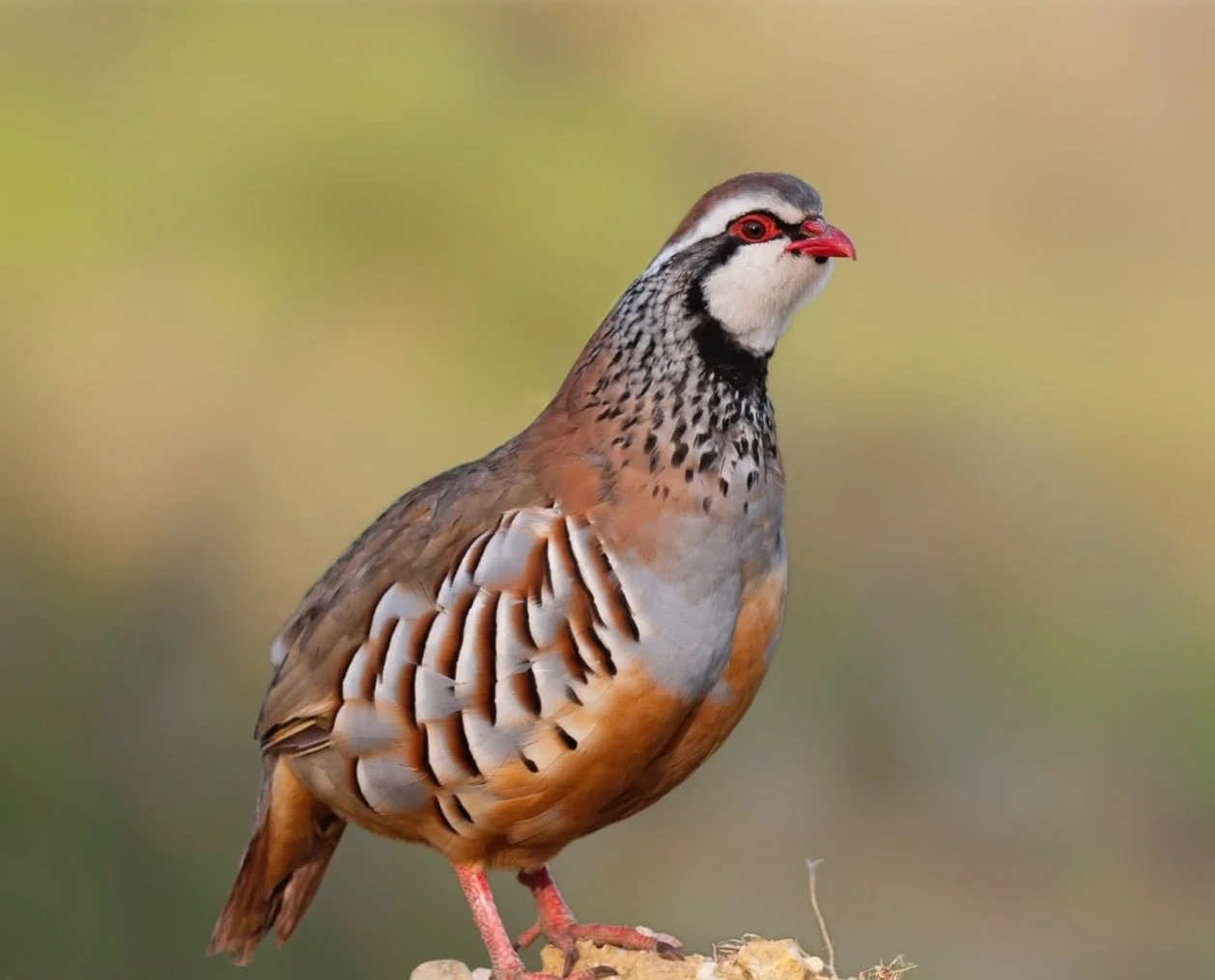
A partridge is a medium-sized, ground-dwelling game bird in the family Phasianidae (which also includes pheasants and turkeys), native to parts of Europe, Asia, and Africa. They are known for their rounded bodies and are hunted for sport and food. Popular species include the grey partridge, chukar partridge, and red-legged partridge.
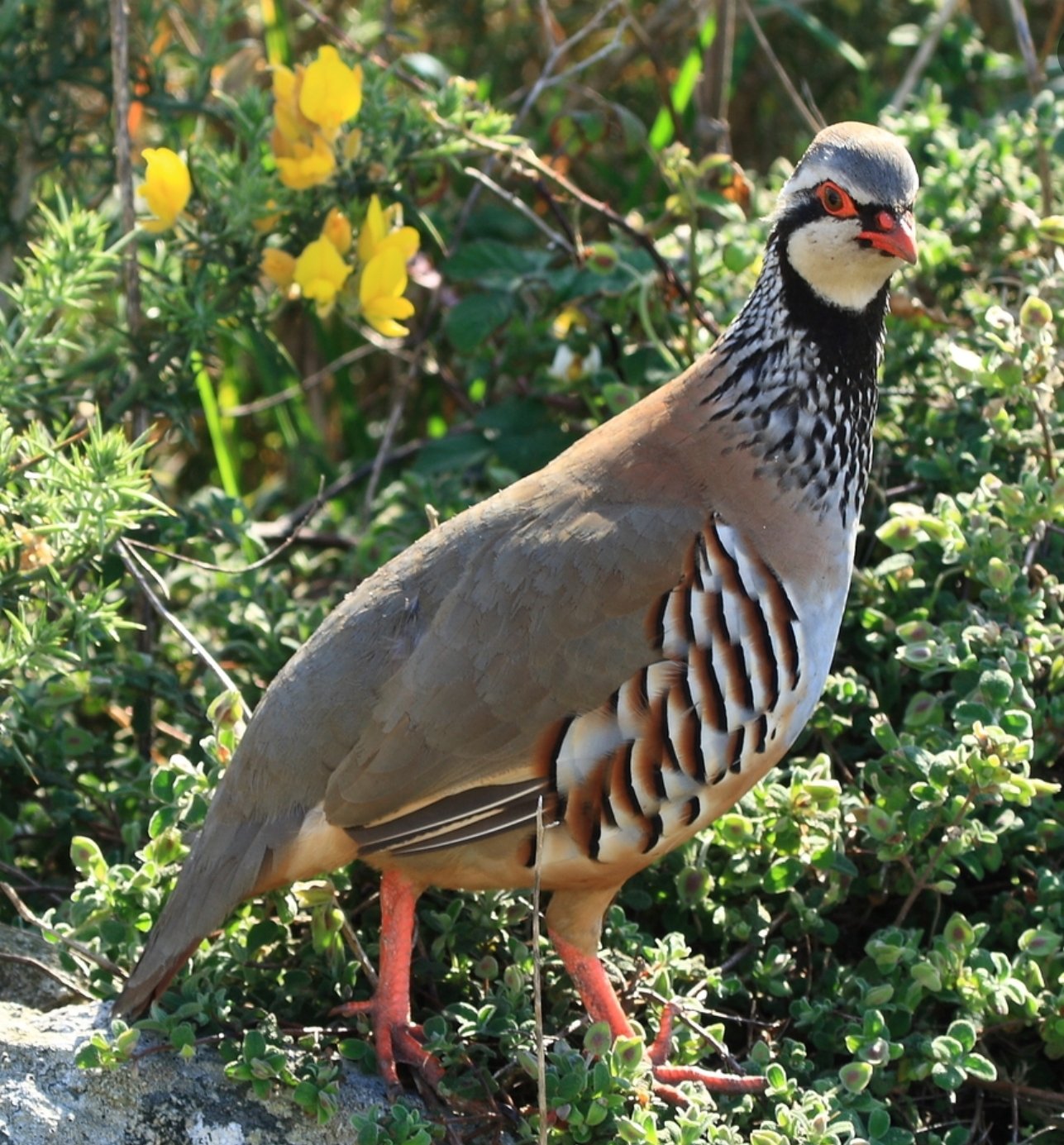
Patridge
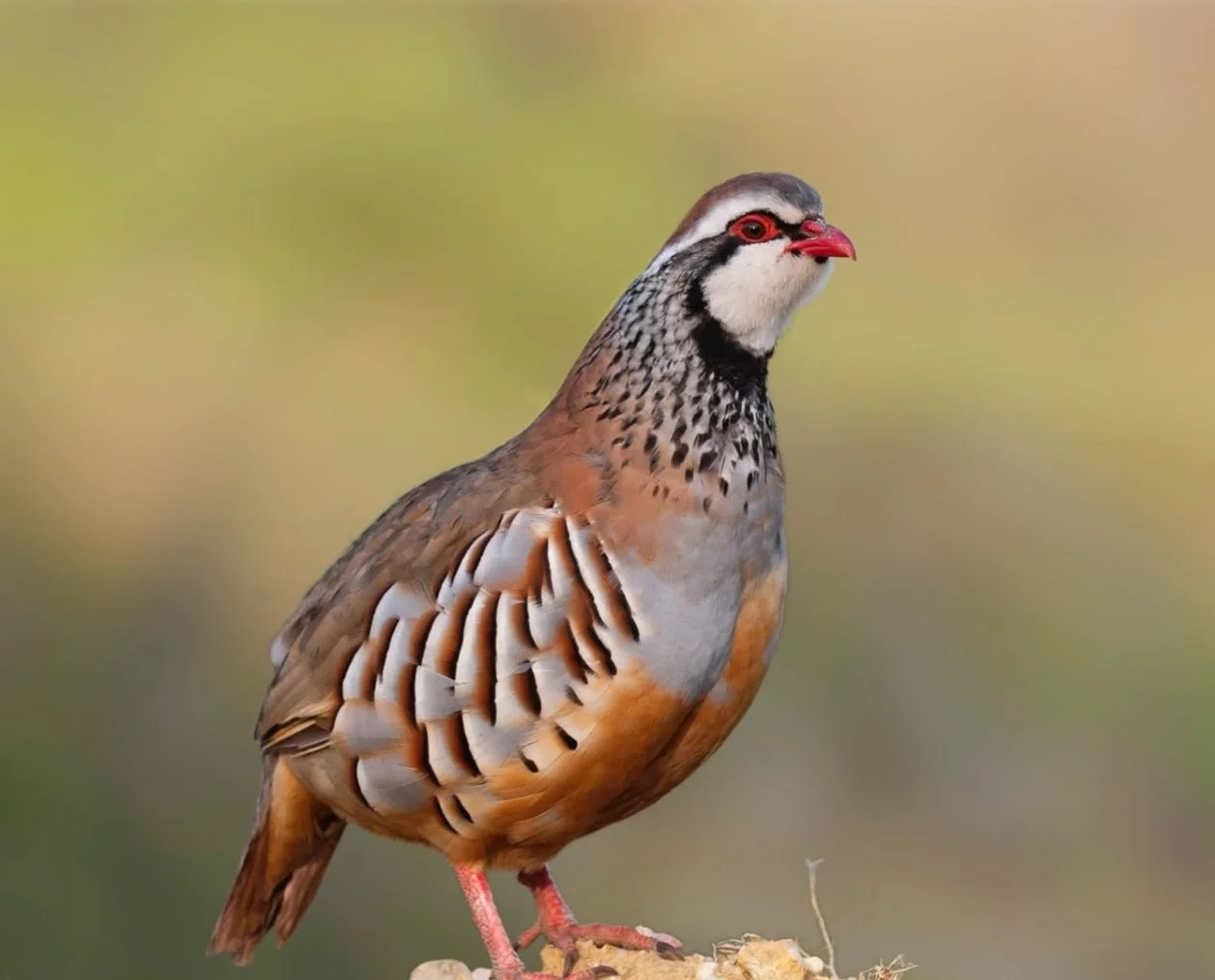
Patridge
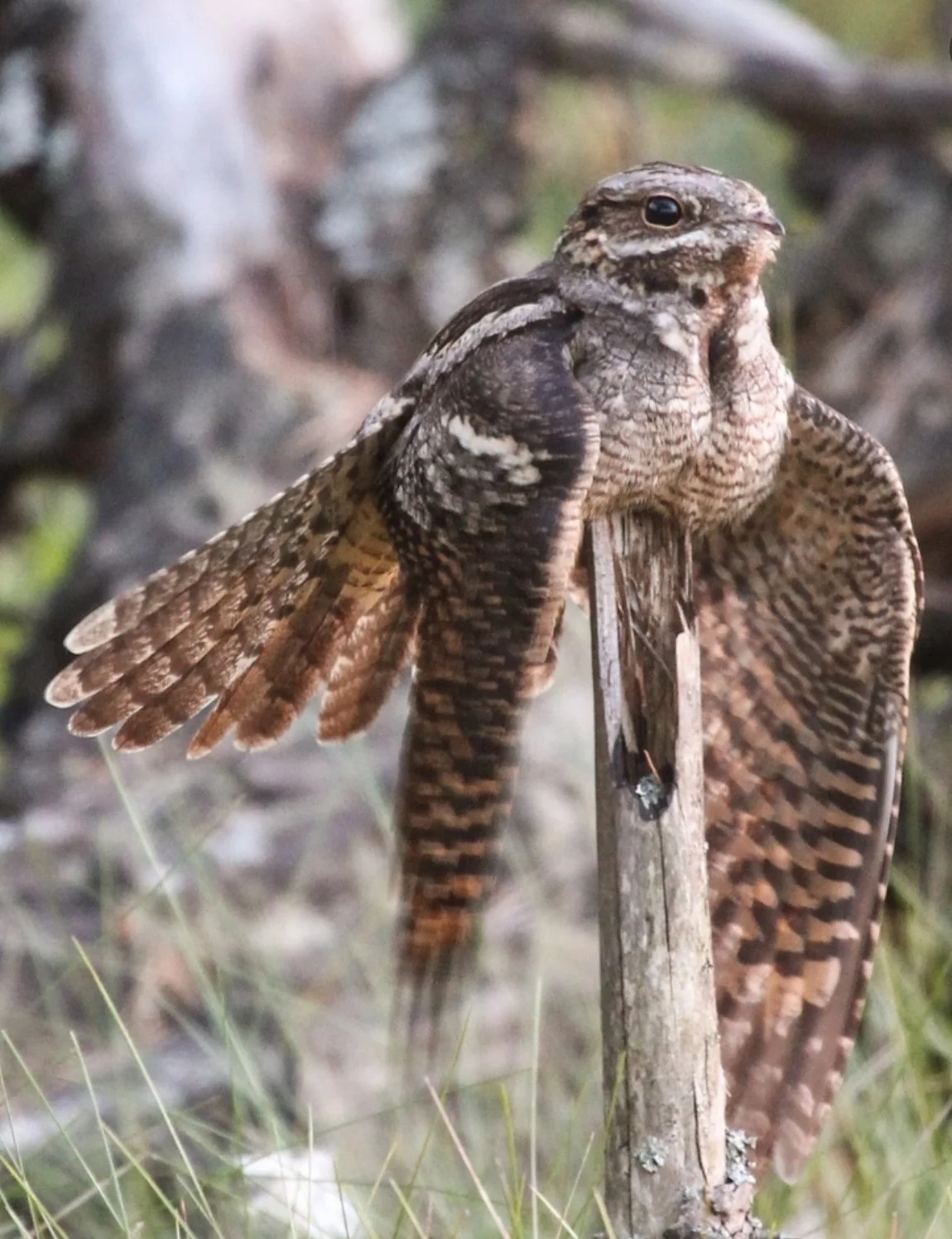
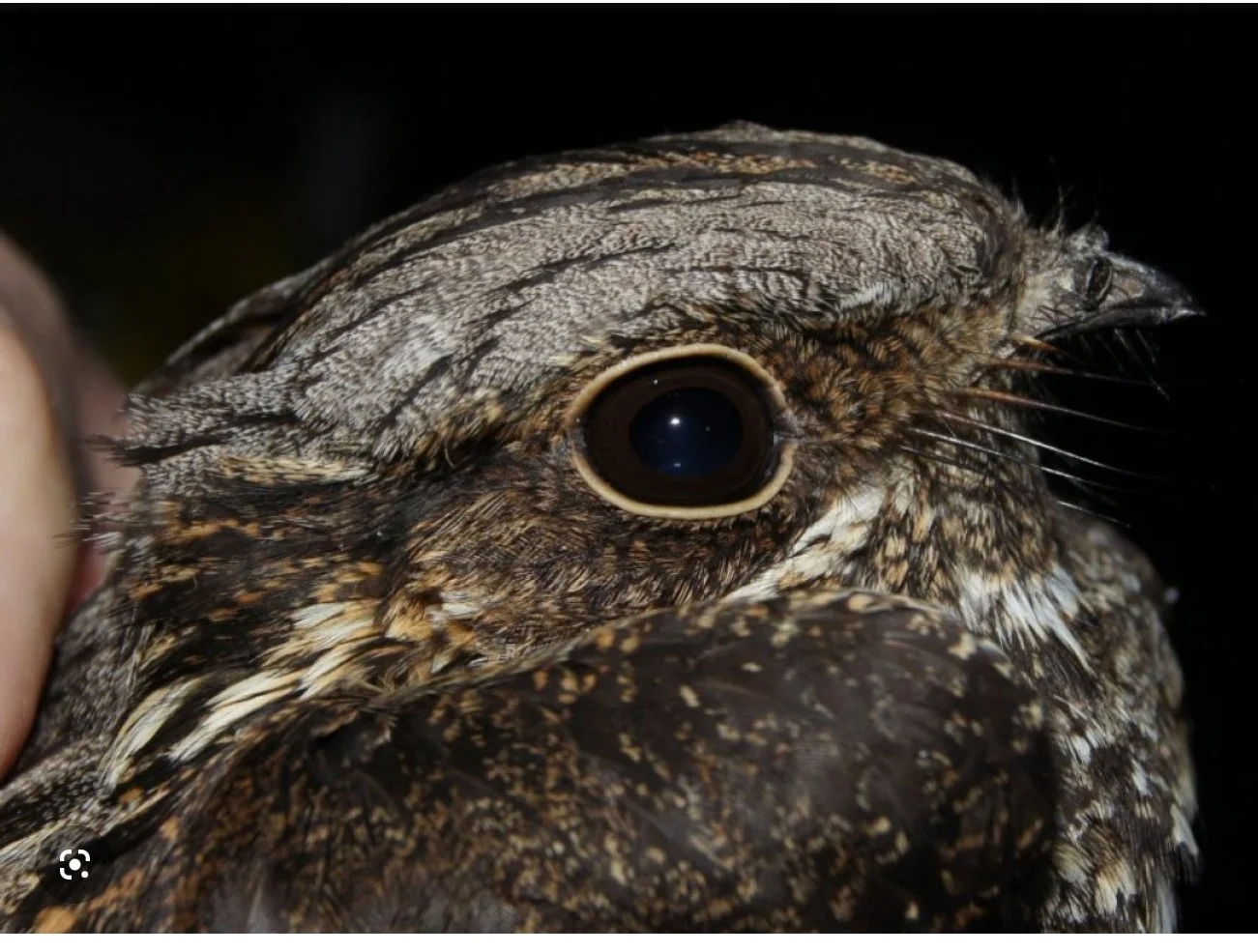
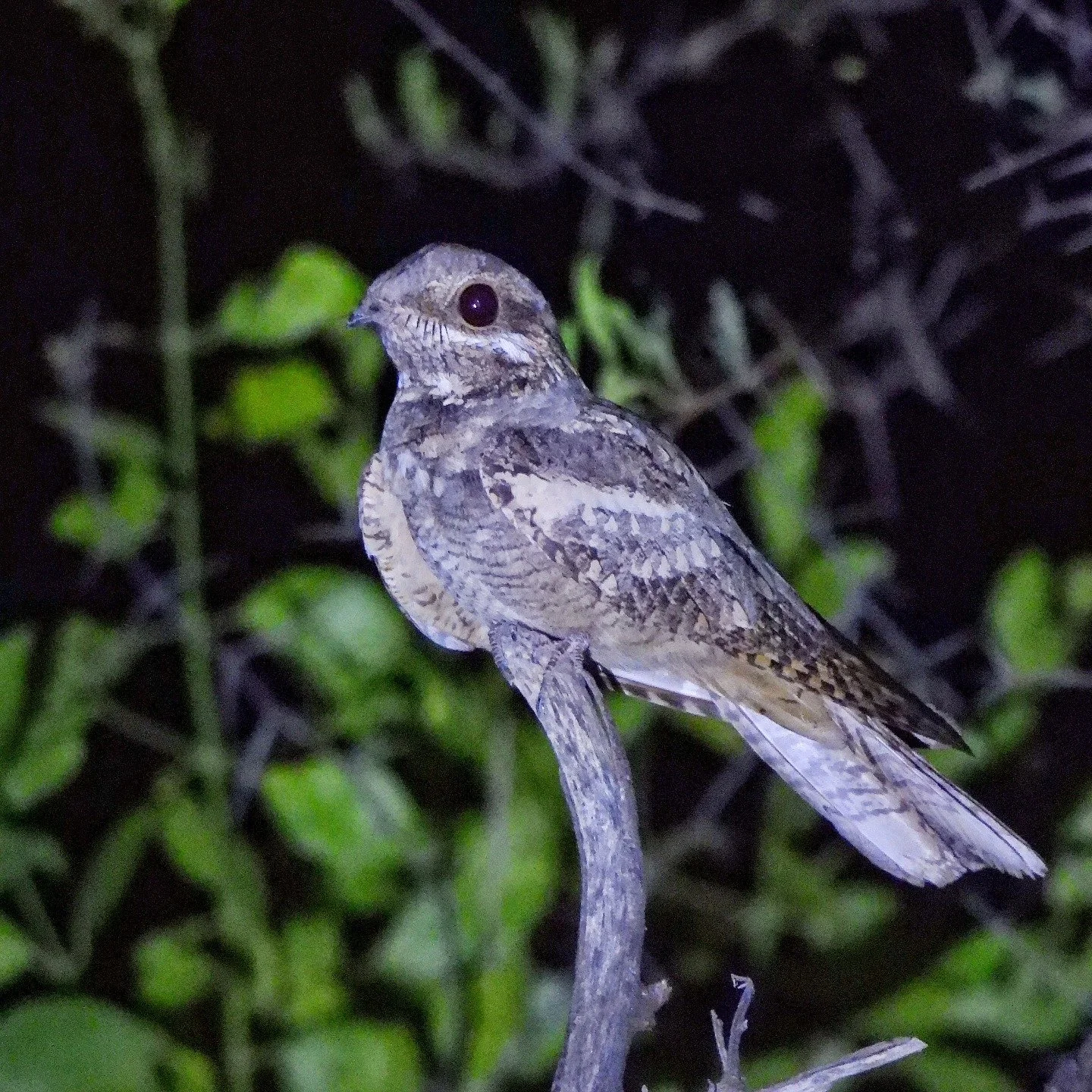
Goatsucker: European nightjar (Caprimulgus europaeus), common goatsucker, Eurasian nightjar or just nightjar is a crepuscular and nocturnal bird in the nightjar family that breeds across most of Europe and the Palearctic to Mongolia and Northwestern China.
The Latin generic name refers to the old myth that the nocturnal nightjar suckled from goats, causing them to cease to give milk. The six subspecies differ clinally, the birds becoming smaller and paler towards the east of the range. All populations are migratory, wintering in sub-Saharan Africa. Their densely patterned grey and brown plumage makes individuals difficult to see in the daytime when they rest on the ground or perch motionless along a branch, although the male shows white patches in the wings and tail as he flies at night.
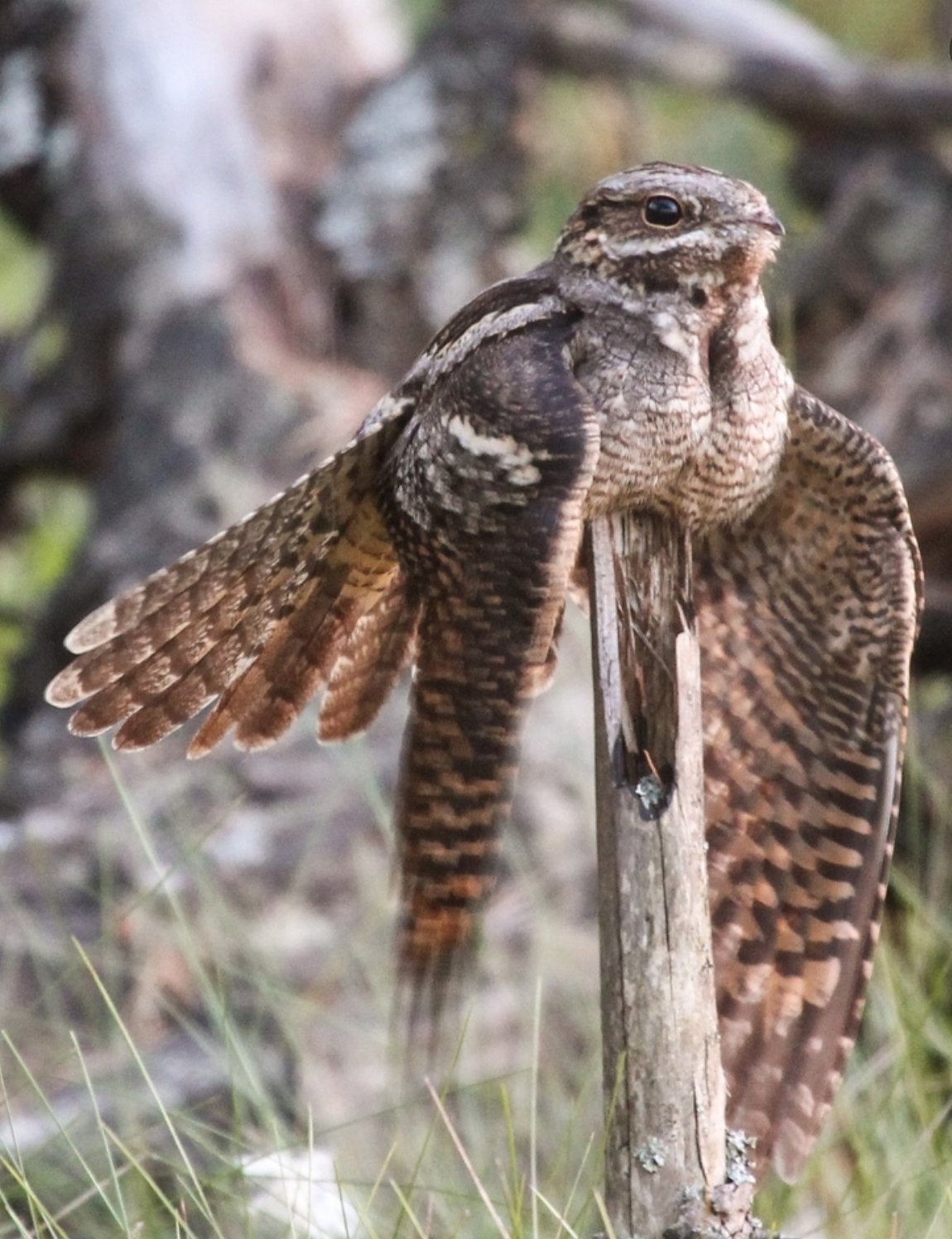
Goatsucker
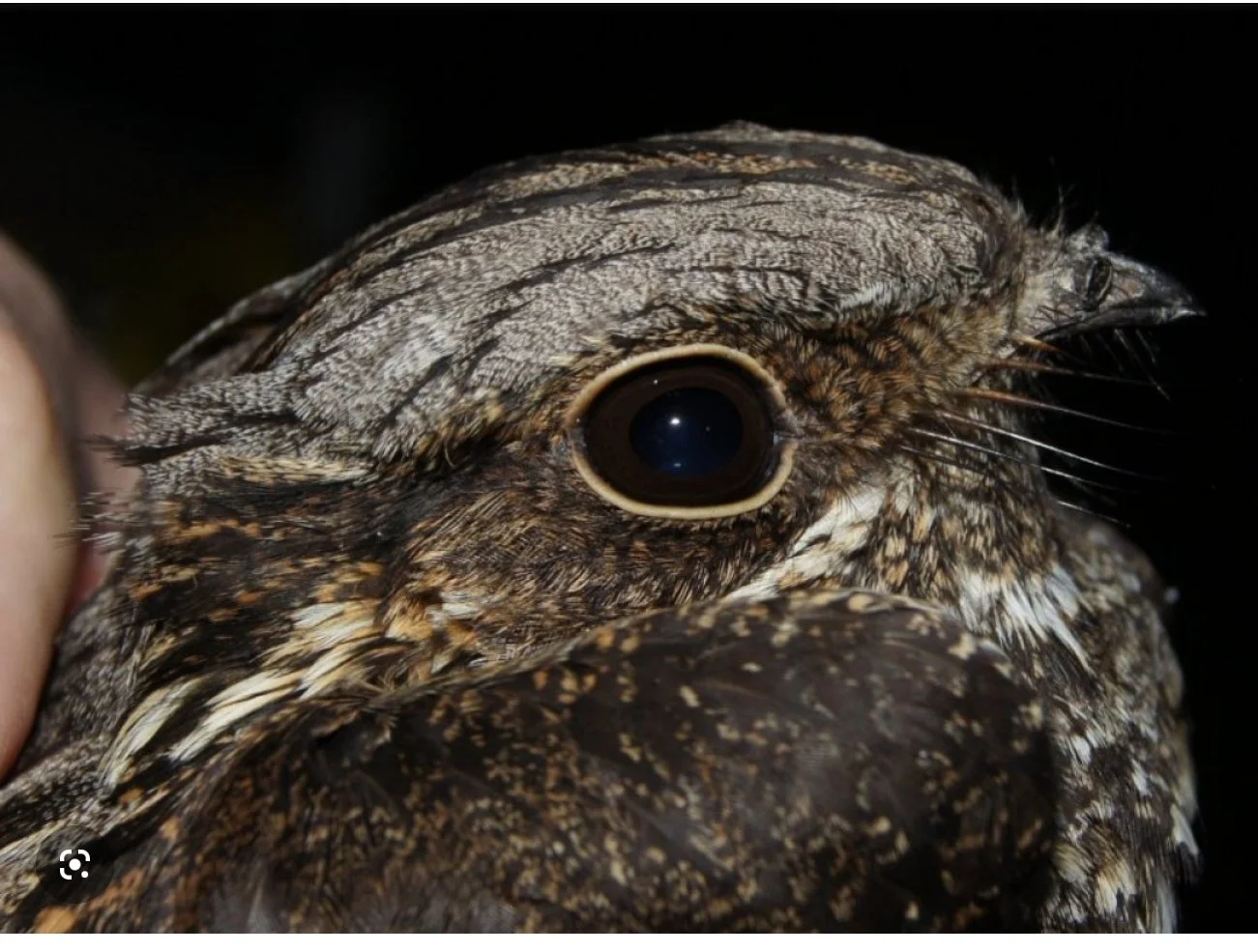
Goatsucker
Hiking burns a significant number of calories, helping with weight loss and management. Exercising outdoors has been shown to reduce stress and improve your mood by lowering levels of stress hormones and promoting relaxation.
Enhanced mood: Hiking can increase feelings of happiness and well-being due to the release of endorphins.
Improved sleep: Regular physical activity, including hiking, is linked to better sleep quality.